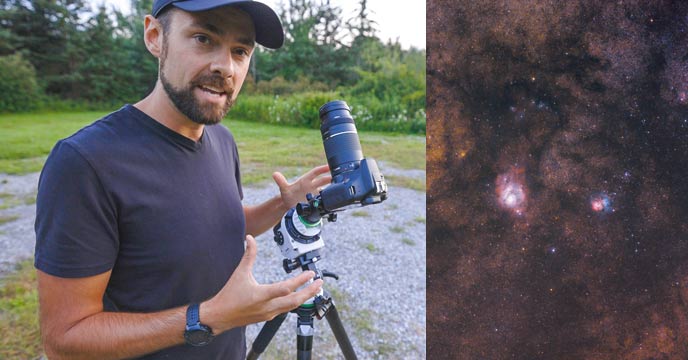
6 Astronomy Events You Don’t Want to Miss in August 2026

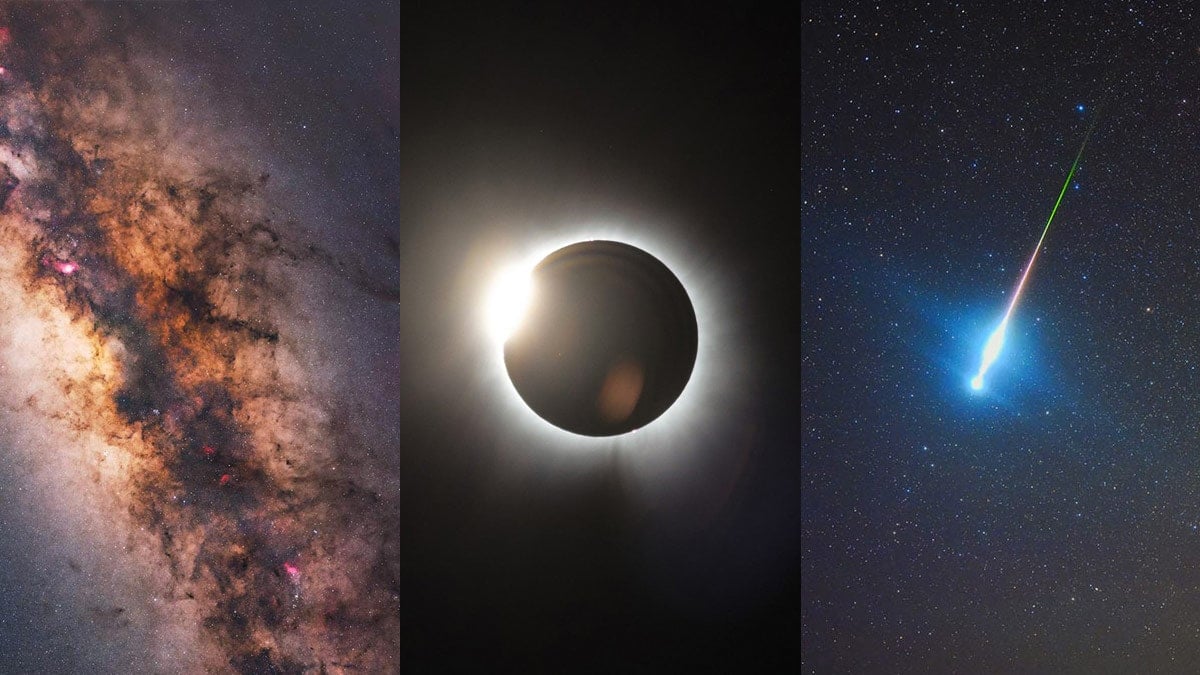
August is always one of my favorite months for astronomy. The Milky Way is still on display, the warm nights make it easy to stay outside for hours, and some of the best deep-sky objects of the year are riding high in the sky.
In 2026, the month is especially exciting. We have a six-planet lineup before sunrise, an excellent moonless Perseid meteor shower, a total solar eclipse, a deep partial lunar eclipse, and a perfect stretch of nights for photographing the Milky Way. If you own a telescope or smart telescope, the constellation Cygnus is also loaded with rewarding targets.
I wanted to put the most useful August highlights in one place, with options for every experience level. Some require nothing more than your eyes, while others are ideal reasons to set up a camera, star tracker, or telescope.

The Perseid Fireball 2018. Tang Zhengye (China).
Circle August 12 on Your Calendar
August 12 is the biggest astronomy day of the month. Six planets stretch across the sky before sunrise, followed by a total solar eclipse later in the day. That night, the New Moon provides an exceptionally dark sky for the Perseid meteor shower and Milky Way photography.
August 2026 Astronomy Events at a Glance
| Event or Target | Best Date | Best For | Equipment |
|---|---|---|---|
| Six-planet morning lineup | Before sunrise on August 12 | Visual observers and telescope users | Naked eye, binoculars, and telescope |
| Milky Way photography | August 9–15 | Beginners and nightscape photographers | Camera, wide-angle lens, tripod |
| Total solar eclipse | August 12 | Visual observers and solar photographers | Certified eye protection and front-mounted solar filter |
| Perseid meteor shower | Night of August 12–13 | Everyone | Naked eye, or camera and tripod |
| Cygnus deep-sky targets | All month | Telescope and smart-telescope users | Camera and telescope or smart telescope |
| Deep partial lunar eclipse | Night of August 27–28 | Everyone, especially telephoto photographers | Naked eye, binoculars, or camera and telephoto lens |
The dates and viewing directions in this guide are most useful for observers at mid-northern latitudes, including the United States and southern Canada. Exact rise times, eclipse visibility, and object positions depend on your location, so confirm them with a planetarium or astronomy app before heading outside.
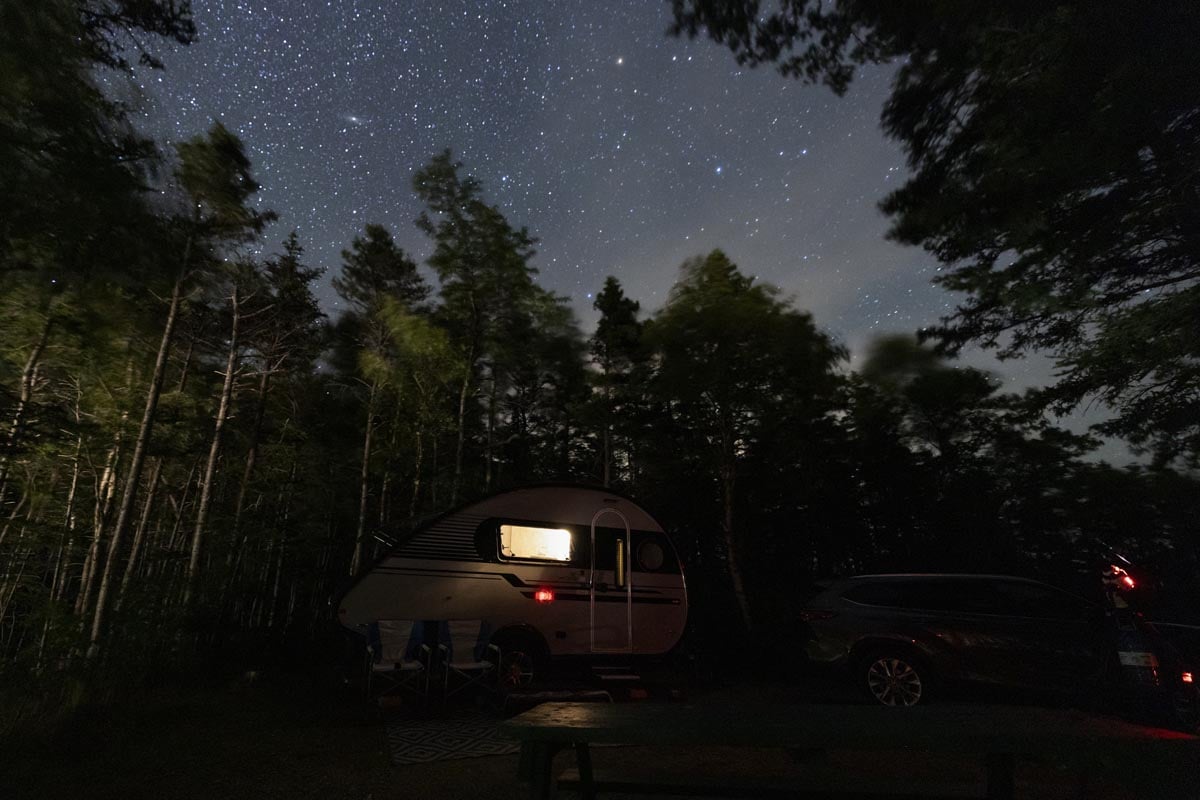
Camping under a moonless, starry night sky. Trevor Jones
Moon Phases for August 2026
The Moon is an important part of almost every observing plan. These are the four primary phases for August 2026. The dates are based on Universal Time, so a phase may fall on the previous calendar date in some North American time zones.
| Moon Phase | Date | What It Means for Observing |
|---|---|---|
| 🌗 Last Quarter | August 6 | Darker evenings as the Moon rises later |
| 🌑 New Moon | August 12 | The best dark-sky window for the Milky Way and Perseids |
| 🌓 First Quarter | August 20 | An excellent evening target along the lunar terminator |
| 🌕 Full Moon | August 28 | The Full Moon occurs during the deep partial lunar eclipse |
You can find the exact phase times in the U.S. Naval Observatory Moon phase table.
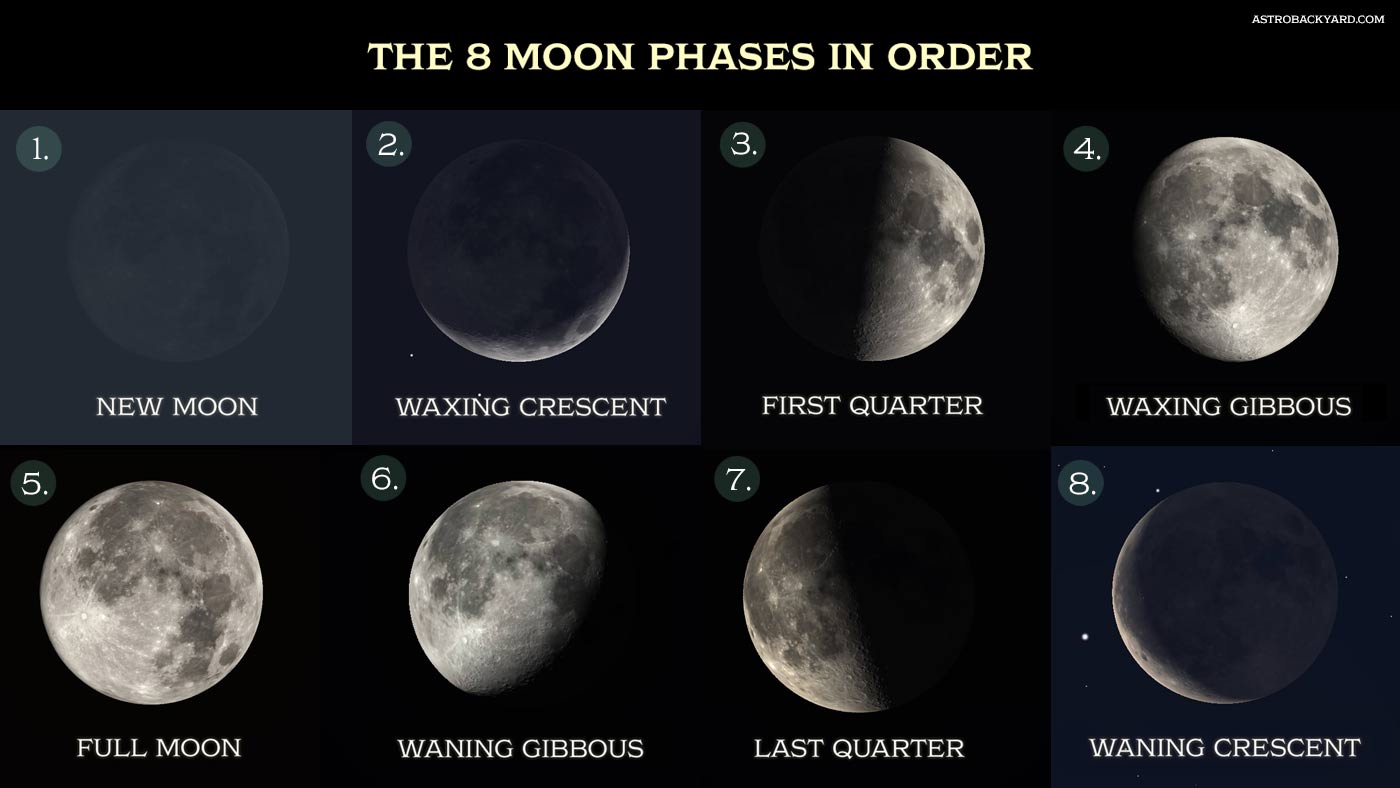
Related Article: The 8 Phases of the Moon
Which August Events Can You See From Your Location?
Not every event is visible in the same way from every location. This quick guide gives you a realistic starting point, but local horizons, twilight, and weather still matter.
| Region | Best August 2026 Highlights | Important Limitation |
|---|---|---|
| Canada and the United States | Planet lineup, Perseids, Milky Way, Cygnus, and the lunar eclipse | Where the solar eclipse is visible, it is partial, and coverage varies greatly by location |
| Greenland, Iceland, northern Spain, and the totality path | Total solar eclipse, Perseids, and the morning planet lineup | Exact totality duration and Sun altitude depend on your position inside the path |
| Most of Europe | Partial solar eclipse, Perseids, Milky Way, and planet lineup | The lunar eclipse occurs near dawn and visibility varies across the region |
| Central and South America | Deep partial lunar eclipse and part of the pre-dawn planet lineup | The Perseid radiant is lower from southern latitudes |
| Southern Hemisphere | Morning planets and region-specific deep-sky targets | This guide’s Milky Way directions and Cygnus recommendations are written for mid-northern latitudes |
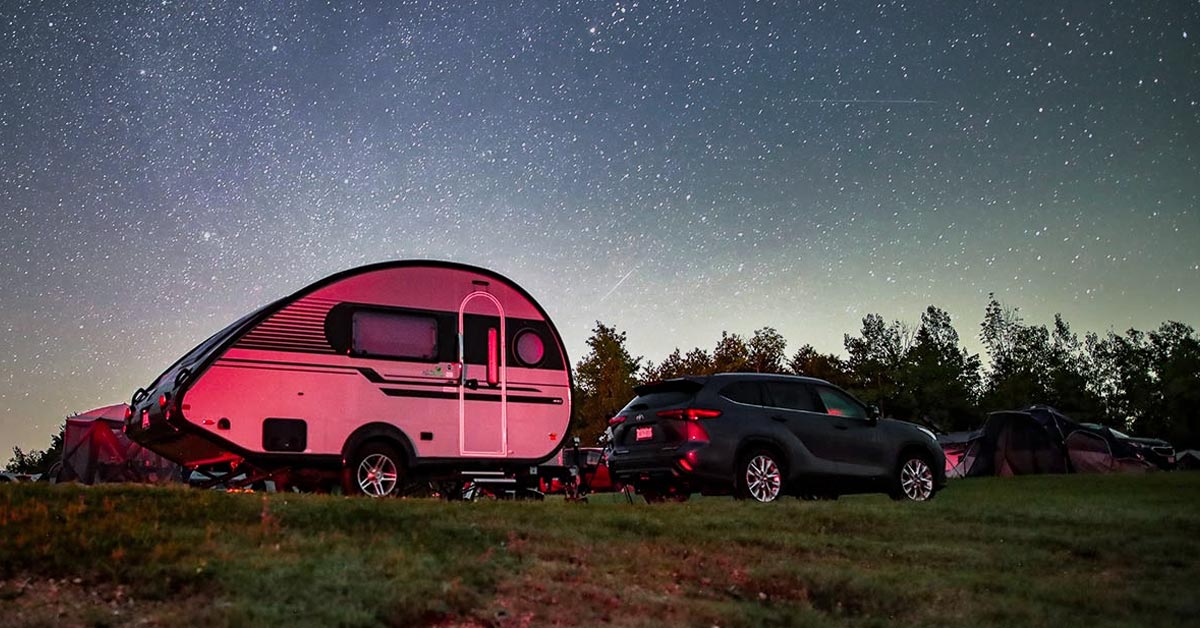
Our camper parked at the Starfest Star Party in Ontario, Canada.
1. Find Six Planets Before Sunrise
Best time: Before sunrise on August 12, 2026
August 12 begins with a challenge for early risers. Jupiter, Mercury, Mars, Uranus, Saturn, and Neptune will all be above the horizon before sunrise, spread along the ecliptic from the eastern horizon toward the southwestern sky for Northern Hemisphere observers.
You will not see six bright dots arranged in a perfect line. Mars and Saturn are the easiest naked-eye planets in the group. Mercury is low in the east, while Jupiter is even closer to the horizon and may be lost in haze or bright twilight. Uranus is realistically a binocular target, and Neptune requires a telescope.
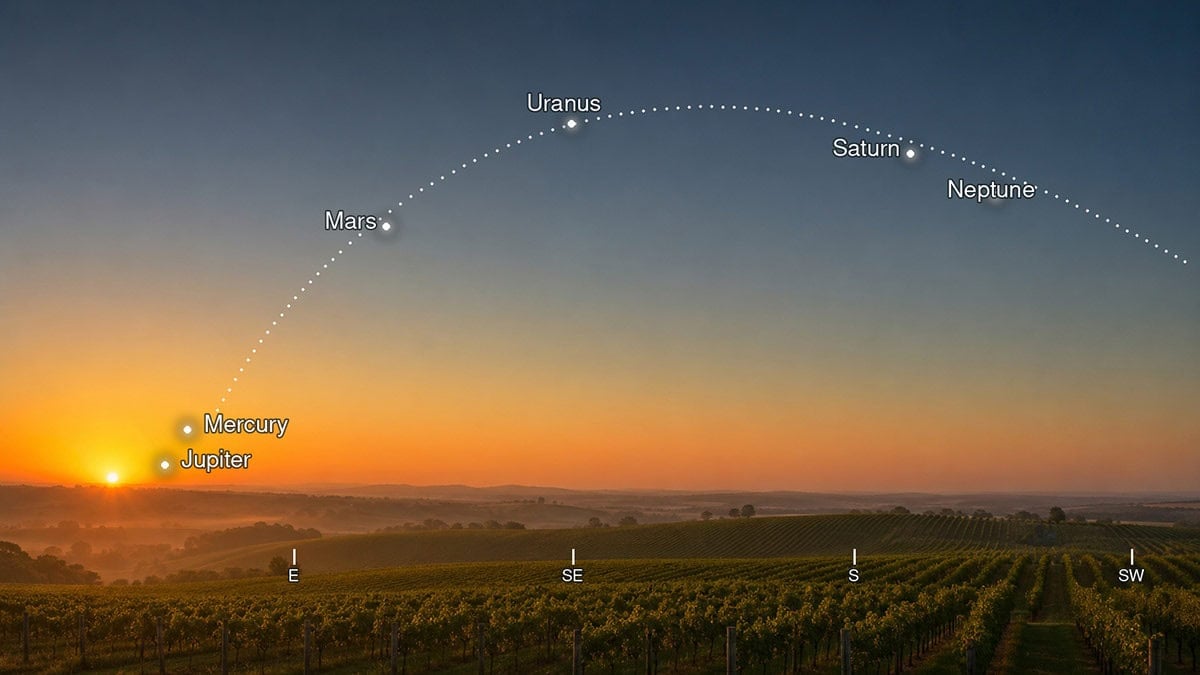
The location of the 6 planets in the early morning sky on August 12, 2026.
For observers around Toronto, the most useful compromise window is approximately 5:33–5:47 a.m. local time on August 12. The exact window changes with latitude and longitude, so check your local sunrise time and use one of my recommended astronomy apps for stargazing to identify each planet.
Start earlier if you want to locate Uranus and Neptune while the sky is still dark. As dawn brightens, follow the planetary arc from Saturn and Mars toward Mercury and Jupiter in the east. A flat eastern horizon over a field or lake will give you the best chance of seeing the two low planets.
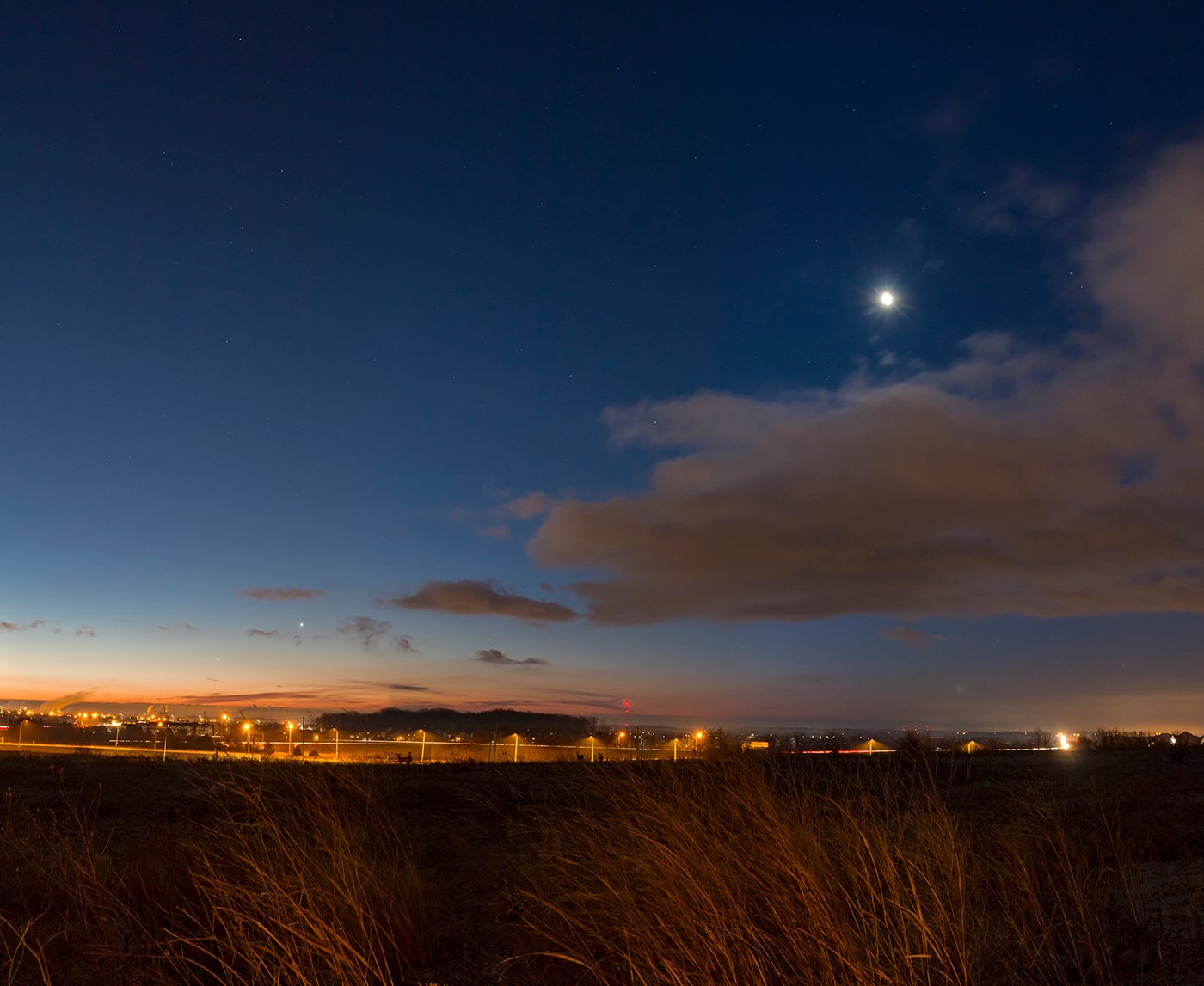
An example wide-angle photo of an early-morning planet parade. Trevor Jones
A Realistic Goal for the Planet Lineup
Spot Mars and Saturn first. Add Mercury if your eastern horizon is clear, then treat very low Jupiter as a bonus. Use binoculars for Uranus and a telescope for Neptune, but stop using magnifying optics near the eastern horizon before the Sun rises.
This lineup is visible over several mornings around August 12, so August 11, 13, and 14 are useful backup dates if clouds interfere. The arrangement will change slightly from morning to morning, but you will still have a chance to follow several planets across the pre-dawn sky.
2. Photograph the Milky Way Under a New Moon
Best nights: August 9–15, 2026
If you have been waiting for a comfortable night to try Milky Way photography, this is it. The New Moon arrives on August 12, creating a dark-sky window from roughly August 9 through August 15.
From mid-northern locations, the bright galactic core is already visible after darkness falls, so you do not have to wait until the middle of the night to begin shooting.
August is one of the easiest months to plan a Milky Way session. The core begins the night in the southern sky and moves toward the southwest, making it possible to scout your composition during daylight and return after sunset.
Look for an interesting foreground such as a barn, tree line, campsite, lake, or rock formation rather than pointing the camera at an empty horizon.
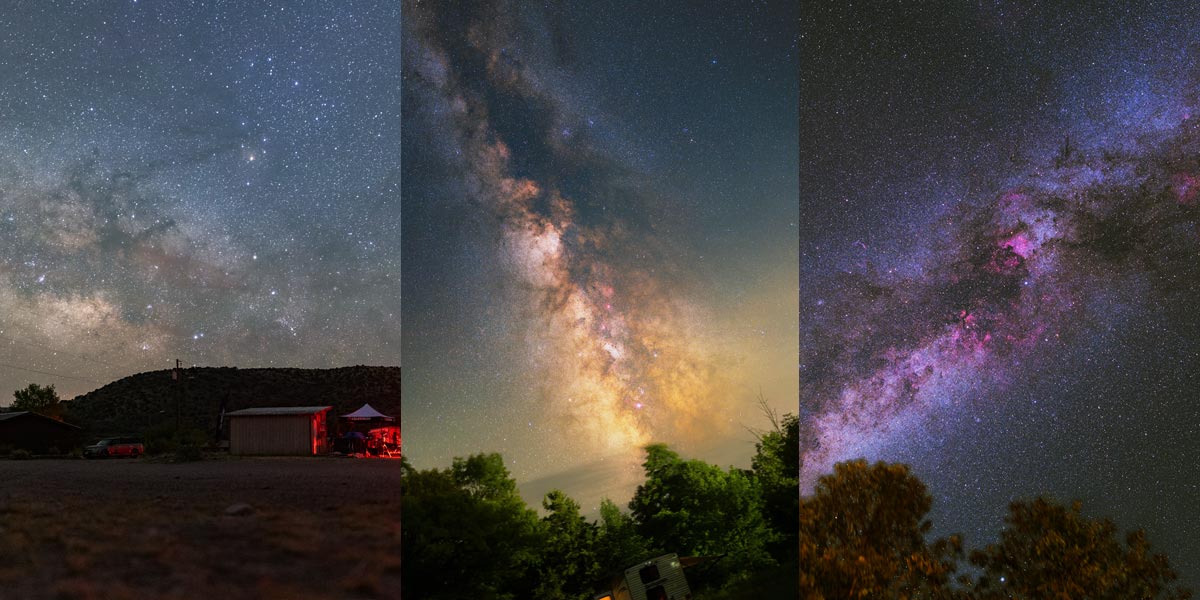
A DSLR or mirrorless camera, a wide-angle lens, and a sturdy tripod are enough to get started. Use manual focus, shoot in RAW format, and open the lens to its widest practical aperture.
A starting point of ISO 1600-3200 and an exposure of 10–20 seconds works for many wide-angle setups, but review the stars at full size and shorten the exposure if they have started to trail.
The quality of the sky matters as much as the camera. The Milky Way can be photographed from suburban locations, but it will have far more contrast and detail from a rural site.
My Bortle Scale guide will help you estimate how dark your location is, while the Milky Way photography calendar includes the best monthly shooting windows for North America.
If this is your first attempt, follow my complete guide on how to photograph the Milky Way. It covers camera settings, focusing, planning, and the basic processing steps needed to bring out the galactic core.
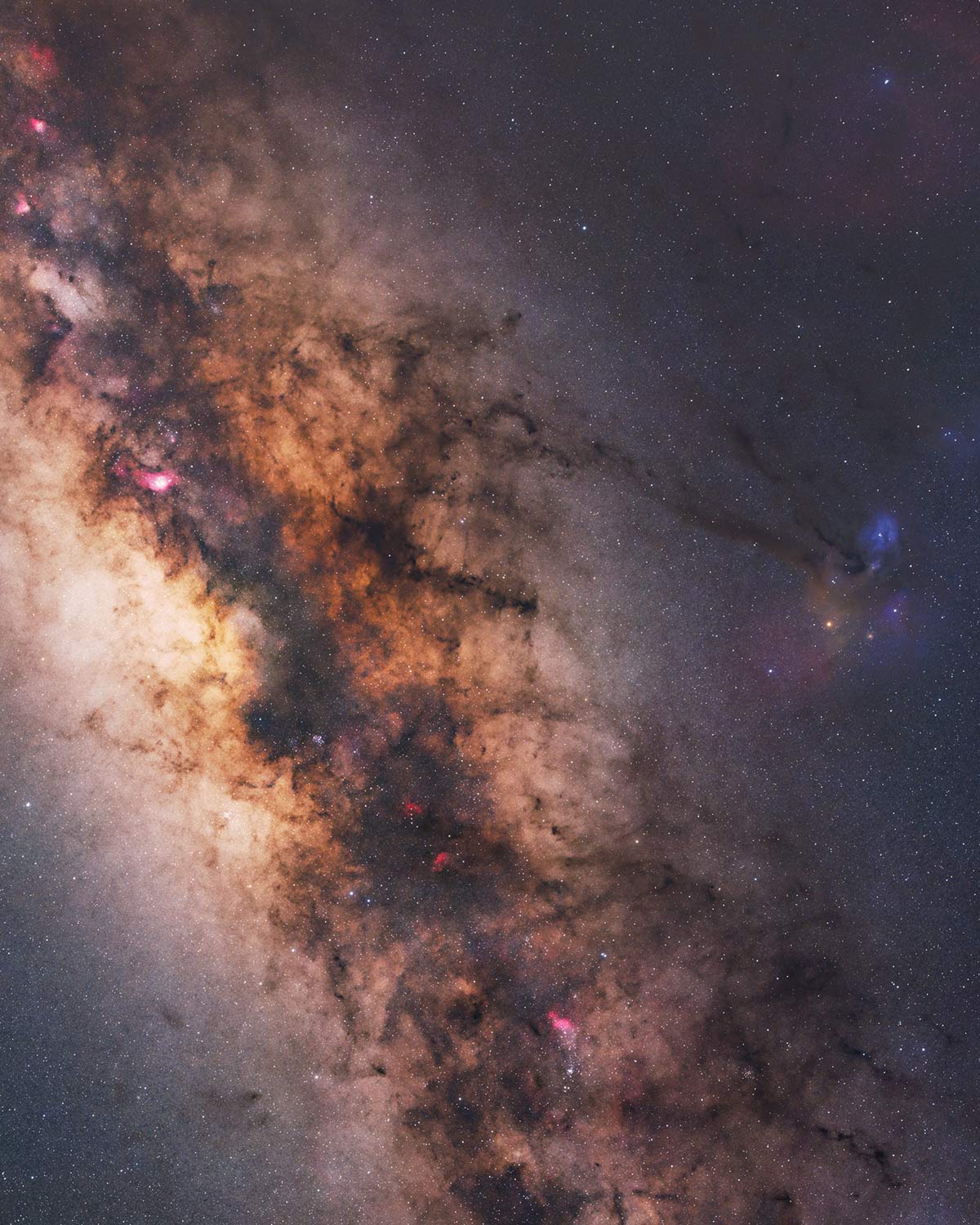
The Milky Way Core. Trevor Jones
3. The August 12 Total Solar Eclipse
Date: August 12, 2026
The biggest daytime astronomy event of the month is the total solar eclipse on August 12. The path of totality crosses northern Russia, Greenland, Iceland, the Atlantic Ocean, Spain, and a very small corner of Portugal.
Totality lasts less than two and a half minutes everywhere, and less than two minutes for most locations along the path.
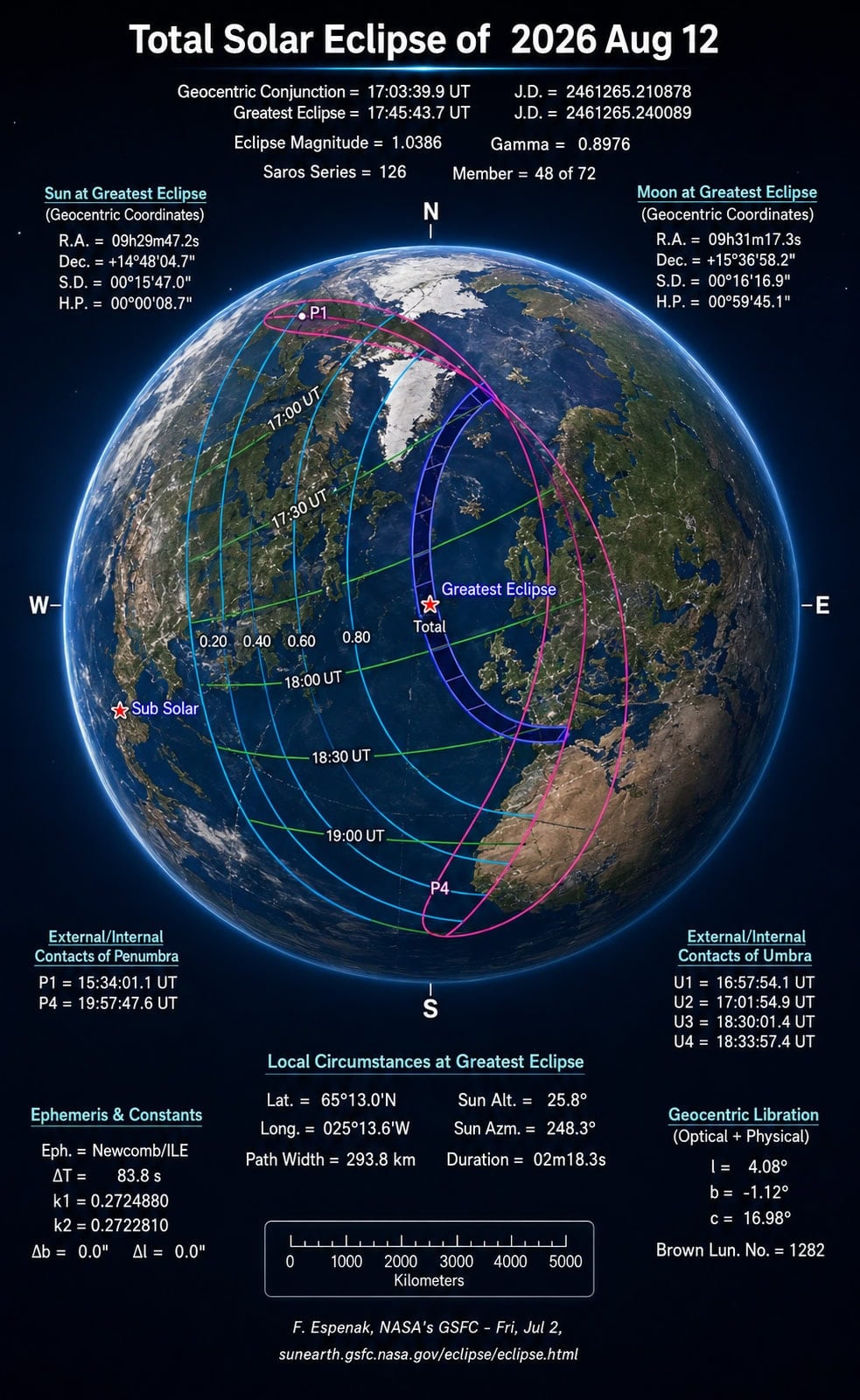
The path of totality for the August 12, 2026 Solar Eclipse. Image created using NASA Solar Eclipses 2021-2030 website
You do not have to be in the path of totality to take part. A partial solar eclipse will be visible from many locations across Canada, the northern United States, Europe, and northwestern Africa.
The amount of the Sun covered varies dramatically by location. NASA lists approximately 8% coverage from Toronto, 18% from Montreal, 31% from Halifax, and 53% from St. John’s. Observers closer to the totality path will see a much deeper partial eclipse.

Using the Seestar S50 smart telescope to photograph the Sun.
Even a small partial eclipse is worth watching, especially if you project the Sun safely or photograph the changing shape through a properly filtered camera. The event also gives you an excuse to practice solar photography before a future eclipse closer to home.

Using a solar filter on my camera lens to capture a solar eclipse. Trevor Jones
Solar Safety Is Non-Negotiable
During every partial phase, use certified solar-viewing glasses for your eyes and a secure solar filter mounted over the front of any camera lens, telescope, or binoculars. Eclipse glasses are not sufficient protection when looking through magnifying optics. Never place an eyepiece solar filter at the back of a telescope.
Only observers inside the path of totality may remove eye protection during the brief period when the Sun’s bright surface is completely covered. If you are seeing a partial eclipse from Canada or the United States, the solar filter stays on for the entire event.
If you plan to photograph it, rehearse your setup on the uneclipsed Sun beforehand. My guide to photographing a solar eclipse explains the necessary filters, camera settings, focusing process, and ways to capture an eclipse sequence. You can also check the NASA eclipse map and local circumstances to see what is visible from your location.
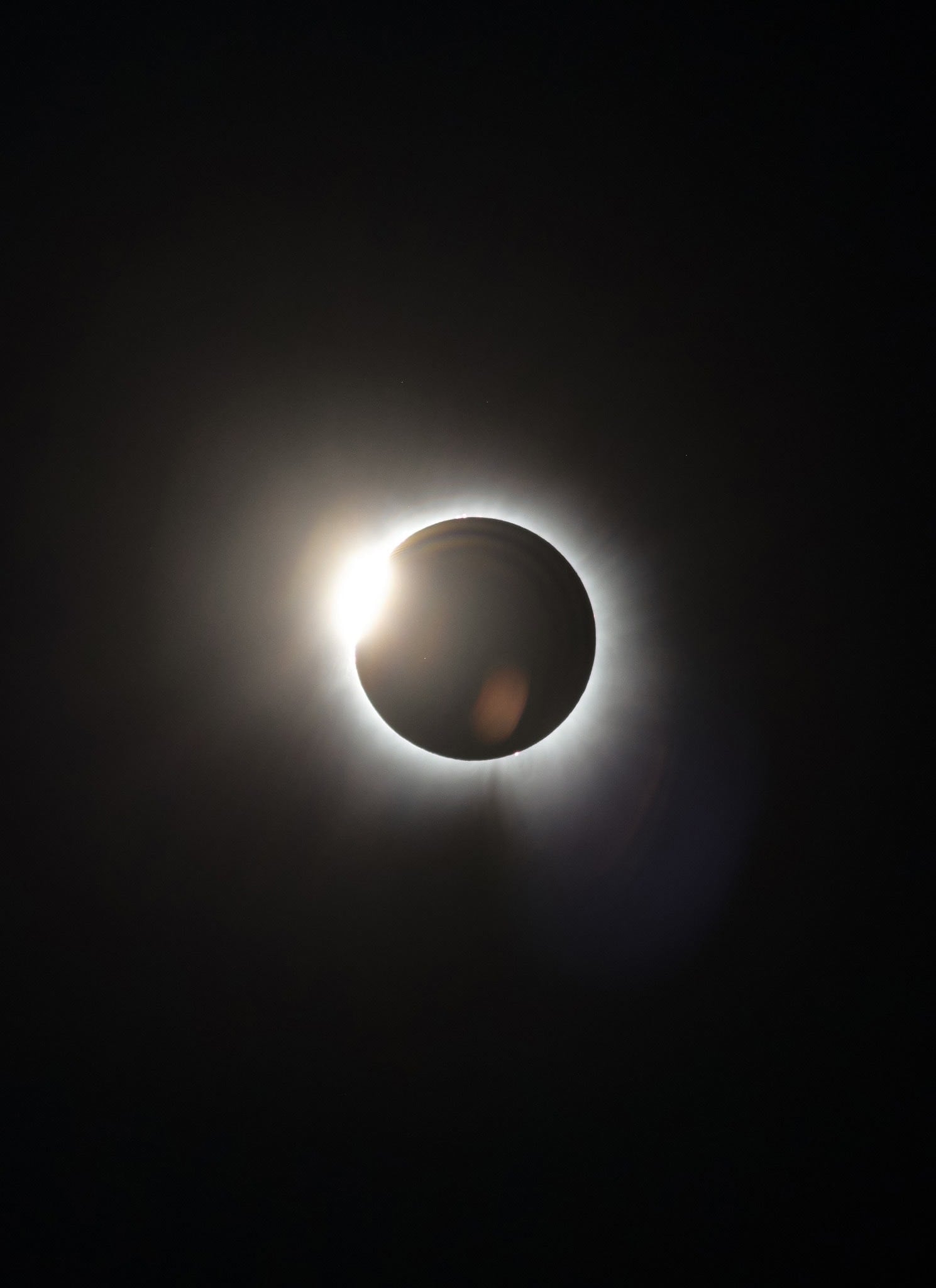
Total Solar Eclipse. Trevor Jones
4. The Perseid Meteor Shower Peaks Under Dark Skies
Best night: August 12 into the morning of August 13, 2026
The Perseid meteor shower is probably the most anticipated annual meteor shower in the Northern Hemisphere. It happens during warm summer weather, produces fast meteors and occasional bright fireballs, and does not require any telescope or astronomy experience to enjoy.
In 2026, the viewing conditions are about as good as they get. The shower’s broad maximum occurs from the evening of August 12 into August 13, only hours after the New Moon. With no bright moonlight washing out the sky, fainter meteors should be much easier to see from a dark location.

“The Perseid Rain over the Kolonica Saddle” by Petr Horálek (2015).
The International Meteor Organization lists a traditional zenithal hourly rate of 100, but that number describes an ideal observer under a perfectly dark sky with the radiant directly overhead. It should not be treated as a promise that you will see 100 meteors in an hour.
The organization also notes that the underlying 2026 activity may be lower than the figure often quoted for the Perseids. From a real observing location, seeing several dozen meteors over a patient session would still make for an unforgettable night.
The radiant—the point from which the meteors appear to spread—is in the constellation Perseus. It rises in the northeast and climbs higher as the night progresses.

Use a star tracker and an intervalometer for more creative options to capture the Perseid Meteor Shower.
You do not need to stare directly at Perseus. In fact, meteors often make longer streaks farther away from the radiant. Find the darkest, widest view of the sky you can, lie back in a reclining chair, and keep porch lights and phone screens out of sight.
For photography, use a wide-angle lens on a stationary tripod and let the camera run continuously. Manual focus, RAW files, a wide aperture, and exposures short enough to keep the stars sharp are the main ingredients.
An intervalometer is extremely helpful because the more frames you capture, the better your chances of recording a bright meteor.
My complete Perseid meteor shower guide includes where to look, camera settings, viewing tips, and a workflow for building a meteor composite in Photoshop.
The shower remains active from July 17 through August 24, so you can still catch Perseids on nearby nights if clouds interfere with the peak.
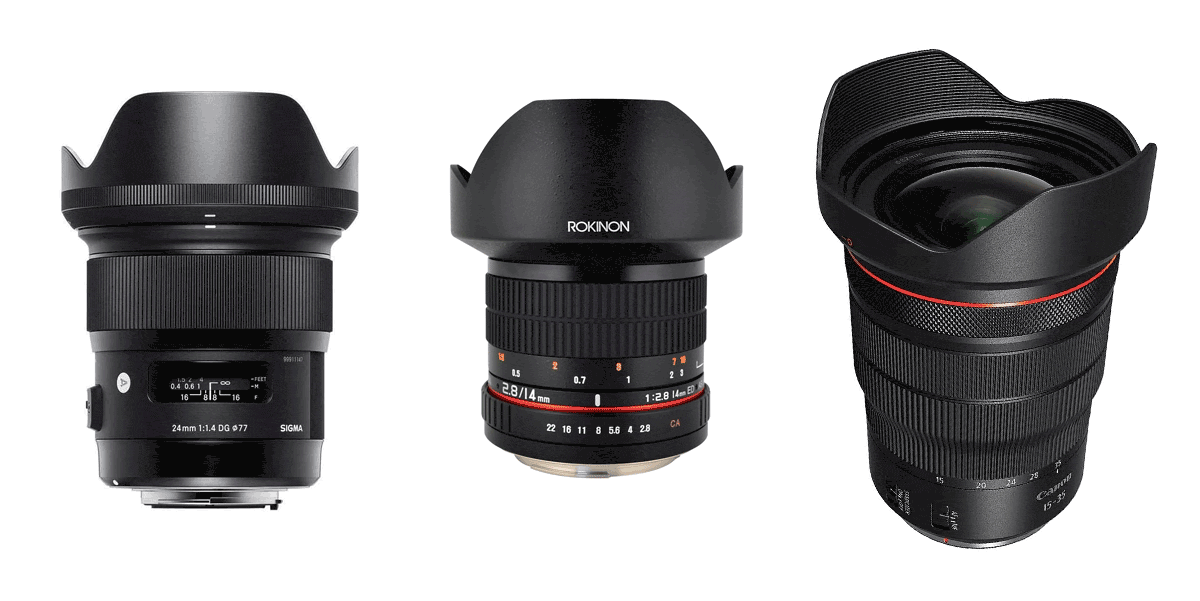
Related Article: The Best Camera Lenses for Milky Way Photography and Nightscapes
5. Explore the Deep-Sky Targets in Cygnus
Best time: Throughout August
Not every August highlight happens on a specific date. For anyone with a telescope, astronomy camera, or smart telescope, the constellation Cygnus is one of the richest areas of the entire summer sky.
Cygnus is easy to recognize by the Northern Cross pattern, with the bright star Deneb marking the tail of the Swan.
In August, this region climbs high overhead from mid-northern latitudes, which means you are photographing through less atmosphere than you would near the horizon. The Milky Way runs directly through it, filling the area with glowing hydrogen, dark dust, star clusters, and supernova remnants.
The North America Nebula is my first recommendation for a wide-field setup. It is large, bright in hydrogen-alpha, and sits beside the Pelican Nebula near Deneb.
A small refractor or camera lens in the 250–400mm range can frame the pair beautifully.

The North America Nebula and Pelican Nebula. Trevor Jones
If you have more focal length, try the Western Veil Nebula or Eastern Veil Nebula. These delicate arcs are part of an enormous supernova remnant. A dual-band filter paired with a color astronomy camera can reveal the hydrogen and oxygen structures even from a light-polluted backyard.
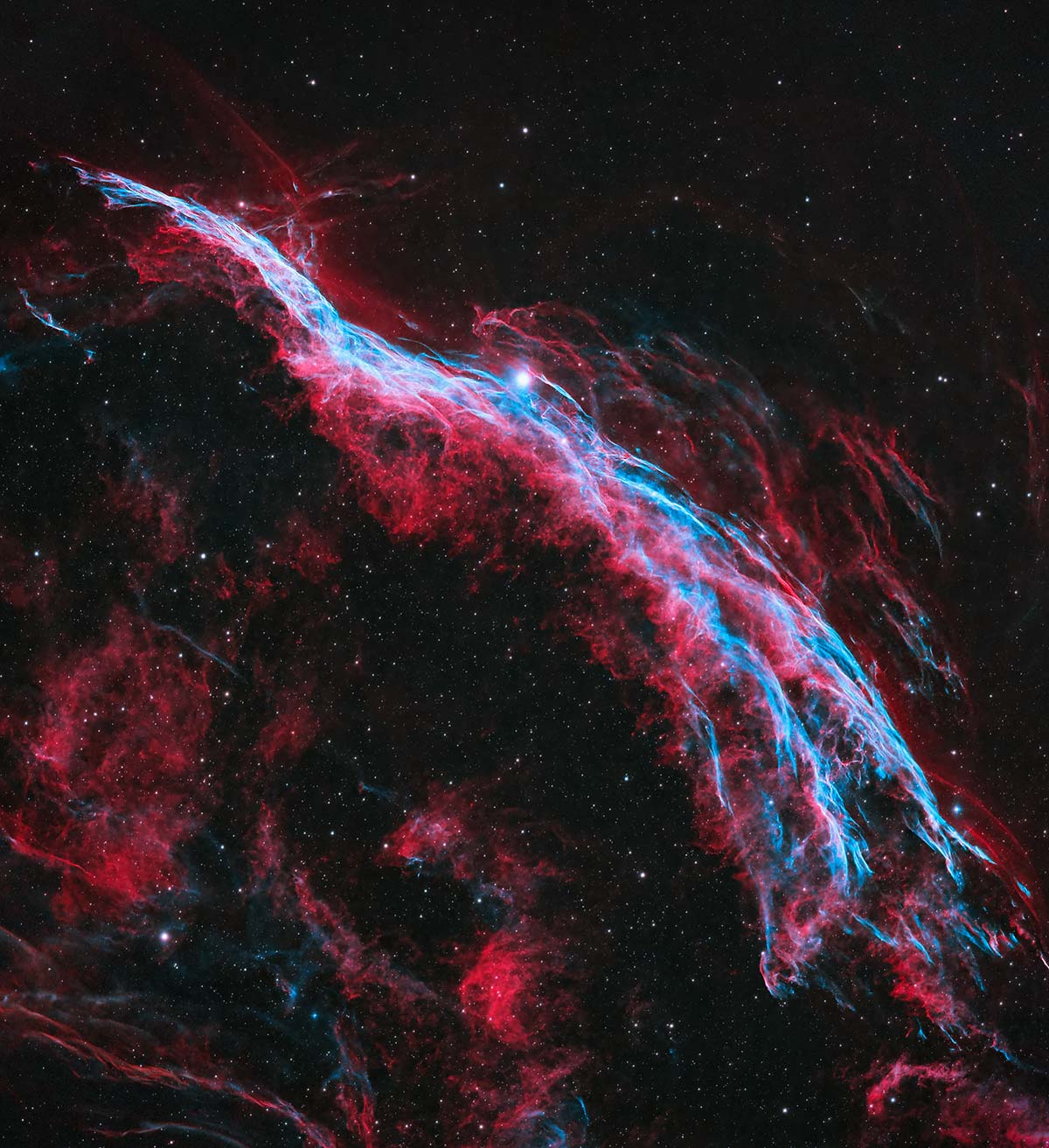
The Western Veil Nebula. Trevor Jones
The Crescent Nebula is a smaller and more challenging option. It responds well to narrowband imaging and rewards additional integration time with complex internal detail and a faint shell of oxygen surrounding the brighter crescent shape.
A smart telescope is also a valid way to explore this area. The North America Nebula and Veil Nebula are large enough for many compact systems, and live stacking gradually reveals structure that may be impossible to see through an eyepiece from the suburbs. Browse my astrophotography targets by season if you want more August target ideas beyond Cygnus.
6. Watch the Moon Nearly Disappear in Earth’s Shadow
Night of August 27–28, 2026
August closes with a deep partial lunar eclipse. At maximum, Earth’s dark umbral shadow will cover 96.2% of the Moon’s visible area. It is not technically a total lunar eclipse, but it will come extremely close, leaving only a thin portion of the lunar surface outside the umbra.
The eclipse is visible from North and South America and parts of Europe and Africa. For observers on Eastern Daylight Time, including southern Ontario, the penumbral phase begins at approximately 9:24 p.m. on August 27.

Stages of a Lunar Eclipse. Fred Espenak
The more obvious partial phase begins around 10:34 p.m., maximum eclipse occurs near 12:13 a.m. on August 28, and the partial phase ends around 1:52 a.m. Always verify the exact times for your location.
This event is far easier to photograph than a meteor shower because you know exactly where the subject will be and when the best moment will occur.
A camera with a telephoto lens in the 300–600mm range will show plenty of lunar detail. A small telescope, smart telescope, or even a smartphone held securely to an eyepiece can also produce an impressive result.
Start with short exposures while the Moon is bright, then watch your histogram and increase the exposure as Earth’s shadow covers more of the surface.
The illuminated sliver and the deeply shadowed portion of the Moon will have very different brightness levels, so bracket several exposures if you want to preserve both areas in a final composite.
Unlike a solar eclipse, a lunar eclipse is completely safe to view with your eyes, binoculars, or a telescope.
No solar filter is needed. My guide on how to photograph a lunar eclipse includes equipment choices, starting settings, focusing tips, and ideas for creating a sequence of the eclipse phases.
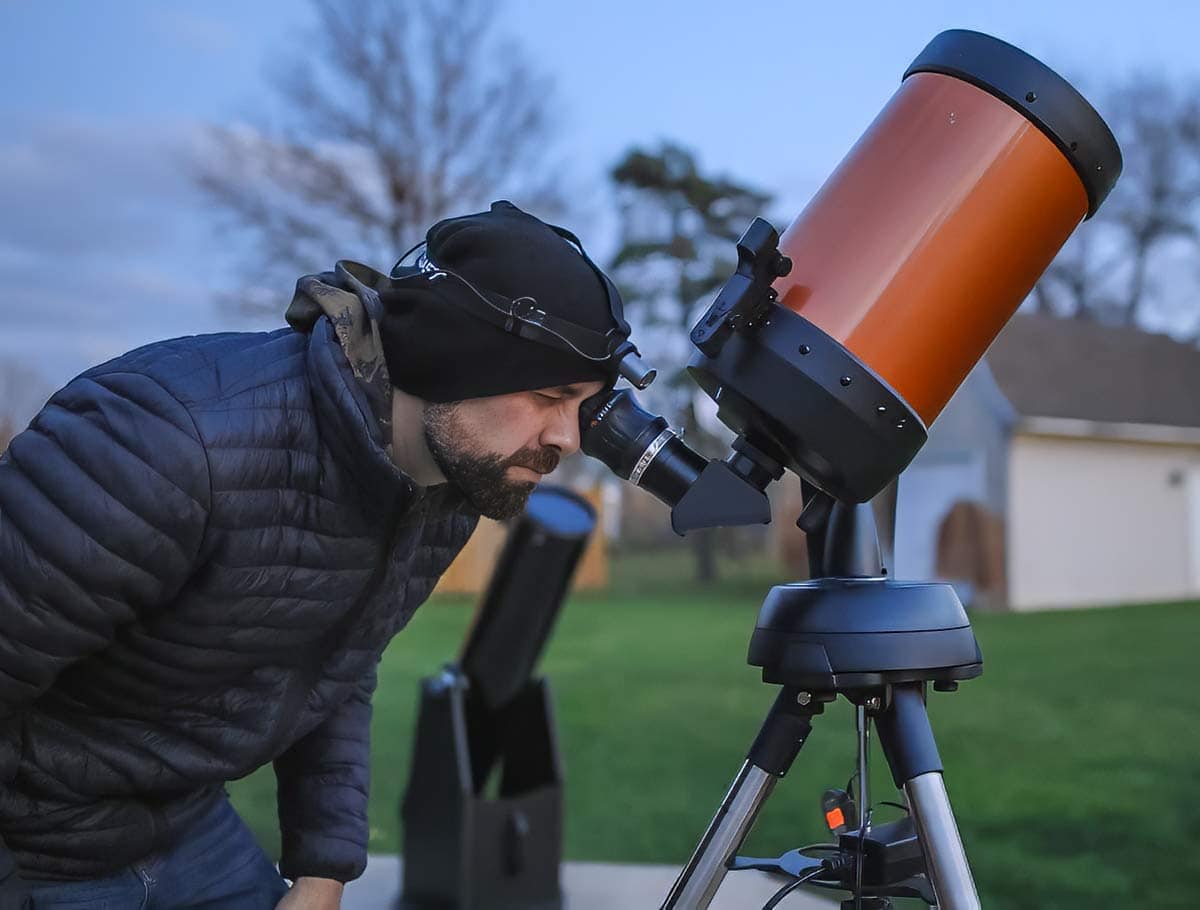
Look at the moon through my Celestron NexStar 8SE telescope. Trevor Jones
Your August 12 Astronomy Game Plan
August 12 is not just a single observing event. It is a full day of astronomy, beginning before sunrise and continuing through the Perseid peak after dark. Here is a simple way to plan it without trying to set up every piece of equipment at once.
| Time of Day | What to Watch | What to Bring |
|---|---|---|
| Before sunrise | Six-planet lineup | Sky map, binoculars, and a telescope for Neptune |
| Daytime or evening, depending on location | Total or partial solar eclipse | Certified eclipse glasses and front-mounted solar filters |
| After astronomical twilight | Milky Way photography | Camera, wide-angle lens, and tripod |
| Late evening through dawn | Perseid meteor shower | Reclining chair, warm layers, and an optional camera setup |
Give each setup its own checklist and keep the solar equipment separate from your nighttime gear. If you are traveling to see the eclipse, confirm the local contact times and the Sun’s position well before August 12.
My August 12 Game Plan
I would treat this as two separate sessions. Before sunrise, I would find an open eastern horizon and concentrate on the planets. Later, I would set up a properly filtered camera for the eclipse, then use the break before dark to charge batteries, clear memory cards, and move to a darker site for the Milky Way and Perseids.
I would not try to photograph everything with one complicated rig. A simple, reliable setup gives me a much better chance of enjoying the day and coming home with something I am happy with.
Plan Your August Under the Stars
You do not need to attempt all six ideas. Pick the one that fits your equipment and experience, then give yourself enough time to enjoy it.
If you are brand new to astronomy, watch the Perseids or lunar eclipse. If you own a camera and tripod, use the New Moon window for a Milky Way nightscape.

If your telescope has been sitting inside, point it toward Cygnus and start collecting data on one of its spectacular nebulae.
My own priority will be August 12. The combination of pre-dawn planets, a daytime eclipse, dark moonless skies, the Milky Way, and the Perseid meteor shower is hard to beat.
Of course, the weather (use an astronomy weather app for up-to-date conditions) will have the final say, so keep a few nearby nights open and check the forecast before committing to a long drive.
- Confirm the event time and visibility from your location.
- Check cloud cover, transparency, smoke, and humidity.
- Choose a safe observing site with a clear horizon.
- Charge every battery and clear your memory cards.
- Pack warm layers, bug spray, a red flashlight, and a chair.
- Arrive before dark if you are visiting an unfamiliar location.
August 2026 Astronomy Events: Frequently Asked Questions
What are the best astronomy events in August 2026?
The main events are the six-planet morning lineup on August 12, the total solar eclipse on August 12, the Perseid meteor shower on the night of August 12–13, and the deep partial lunar eclipse on August 27–28. August is also an excellent month for Milky Way photography and imaging nebulae in Cygnus.
What happens in the sky on August 12, 2026?
Six planets appear across the pre-dawn sky, a total solar eclipse crosses Greenland, Iceland, Spain, and other locations along the path, and the Perseid meteor shower reaches its best viewing period that night. The New Moon also creates dark conditions for meteor and Milky Way photography.
Is the August 12 solar eclipse visible from Canada or the United States?
Yes, but it is a partial solar eclipse from Canada and the United States. The percentage of the Sun covered depends heavily on location, with deeper coverage closer to the path of totality. Solar eye protection is required for the entire event from every partial-eclipse location.
Is August 12 or August 13 better for the Perseid meteor shower?
Plan to watch from late evening on August 12 through the pre-dawn hours of August 13. The Perseid radiant climbs higher after midnight, so meteor rates generally improve toward dawn. If clouds interfere, the nights immediately before and after the peak are still worth trying.
Which August astronomy events can I see without a telescope?
You can watch the Perseid meteor shower, the partial lunar eclipse, Mars, Saturn, and possibly Mercury with your eyes alone. The solar eclipse is also a naked-eye event only when viewed through certified eclipse glasses. A camera is useful for the Milky Way, while Uranus, Neptune, and detailed views of Cygnus require optical equipment.
When are the darkest nights in August 2026?
The darkest stretch falls around the August 12 New Moon. For evening Milky Way photography, August 9–15 is the most useful planning window, provided clouds, smoke, and local light pollution cooperate.
August nights never seem to last long enough. Whether you capture a detailed nebula through a telescope or simply see one bright Perseid from a lawn chair, make time to get outside and look up. Clear skies!
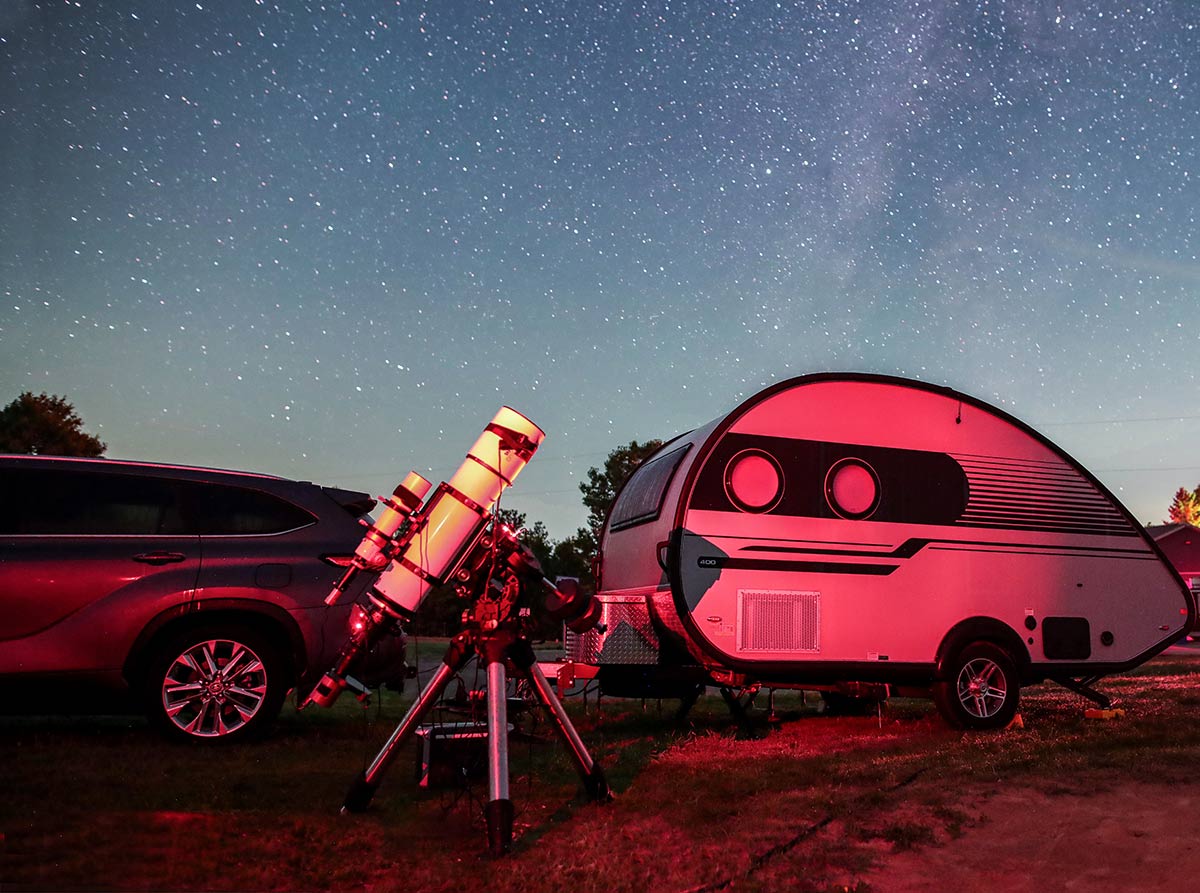
Trevor Jones is a deep-sky astrophotographer and a valued member of the RASC. His passion is inspiring others to start their astrophotography journey on his YouTube Channel so they can appreciate the night sky as much as he does. His images have been featured in astronomy books and online publications, including the NASA Astronomy Picture of the Day (APOD).