Askar SQA130 Review: Is This the Ultimate Backyard Astrograph?

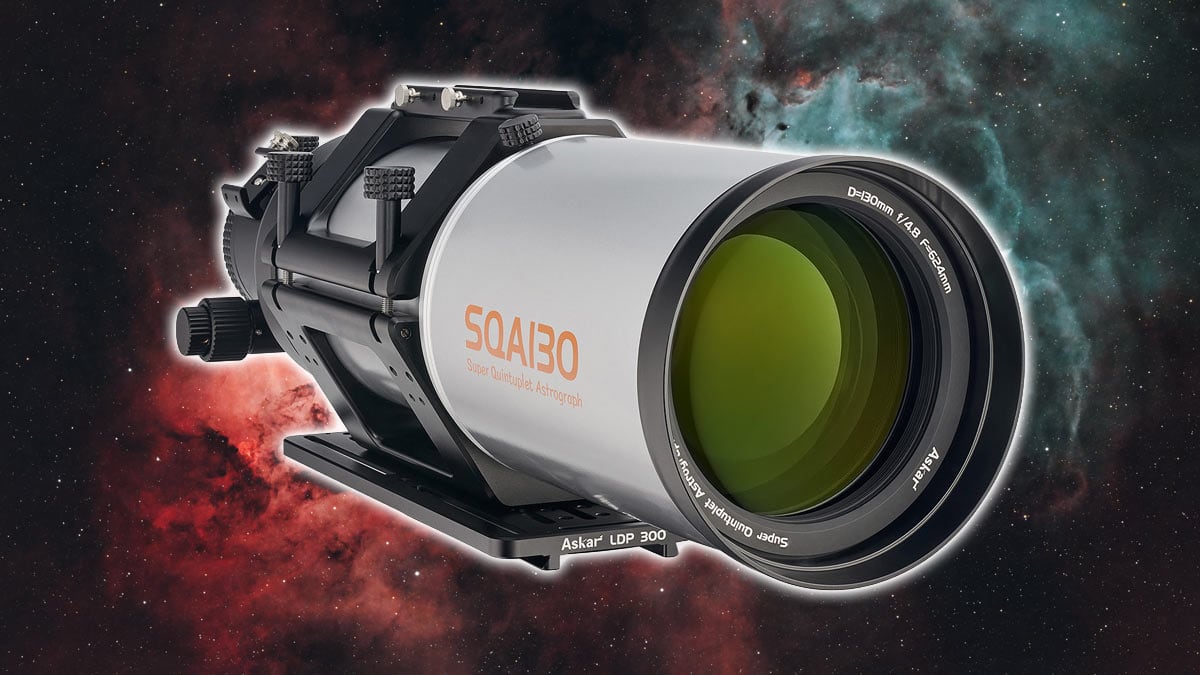
The Askar SQA130 is the largest telescope in Askar’s SQA (super quintuplet astrograph) series, and one I was especially excited to test. As a refractor fan, getting to test one with a healthy 130mm aperture is a real treat.
Last year, I reviewed the smaller Askar SQA106, and before that, the highly portable SQA55. Both of those telescopes were genuinely impressive and are some of the best astrophotography telescopes available today.
After spending several weeks imaging with the SQA130 from my backyard, I have a much better sense of what this telescope is capable of. In this review, I’ll share the images I captured with it, my experience using it in the field, and how it compares to the other models in the SQA lineup.
As always, I wasn’t compensated for this review, and Askar had no input on its contents. If you’re interested in seeing my real-world experiences with this telescope in the backyard, the following video includes my complete equipment profile and all the deep-sky images I captured.
Who is the Askar SQA130 for?
The Askar SQA130 is best suited for serious astrophotographers who want a premium, wide-field refractor with enough focal length to capture smaller nebulae and galaxies in more detail.
It is not exactly a grab-and-go beginner telescope, but if you already have a capable mount and want clean stars, a flat field, and full-frame camera support without adding extra correctors, this telescope makes a lot of sense.
A Refractor for Serious Astrophotographers
The SQA series is not designed to compete with budget refractors. These are premium, purpose-built astrographs designed for serious deep-sky imaging, featuring flat-field performance, high-end mechanics, and excellent star quality across the frame.
Having already used and enjoyed both the SQA55 and SQA106, I was eager to see how the largest model in the lineup would perform in a real-world backyard astrophotography setup.
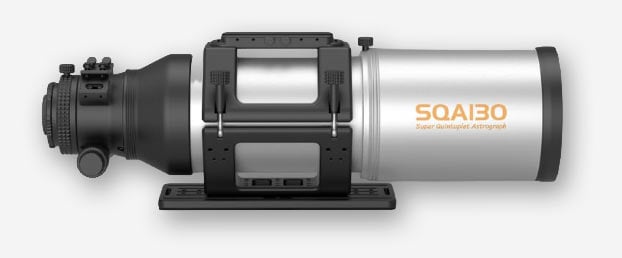
The Askar SQA130 is a 130mm quintuplet Petzval APO astrograph with a focal length of 624mm and a focal ratio of f/4.8. Its optical design incorporates five elements, including two pieces of SD glass, and is engineered to illuminate full-frame and even medium-format sensors with a generous 55mm image circle.
That image circle is one of the standout specifications of this telescope. With many refractors, especially fast ones, you are juggling flatteners, reducers, backspacing, adapters, and sometimes a little bit of corner-star anxiety.
The SQA130 simplifies the process by incorporating the field correction directly into the optical design. In practice, you simply attach your imaging train, achieve focus, and let the telescope do what it was designed to do.
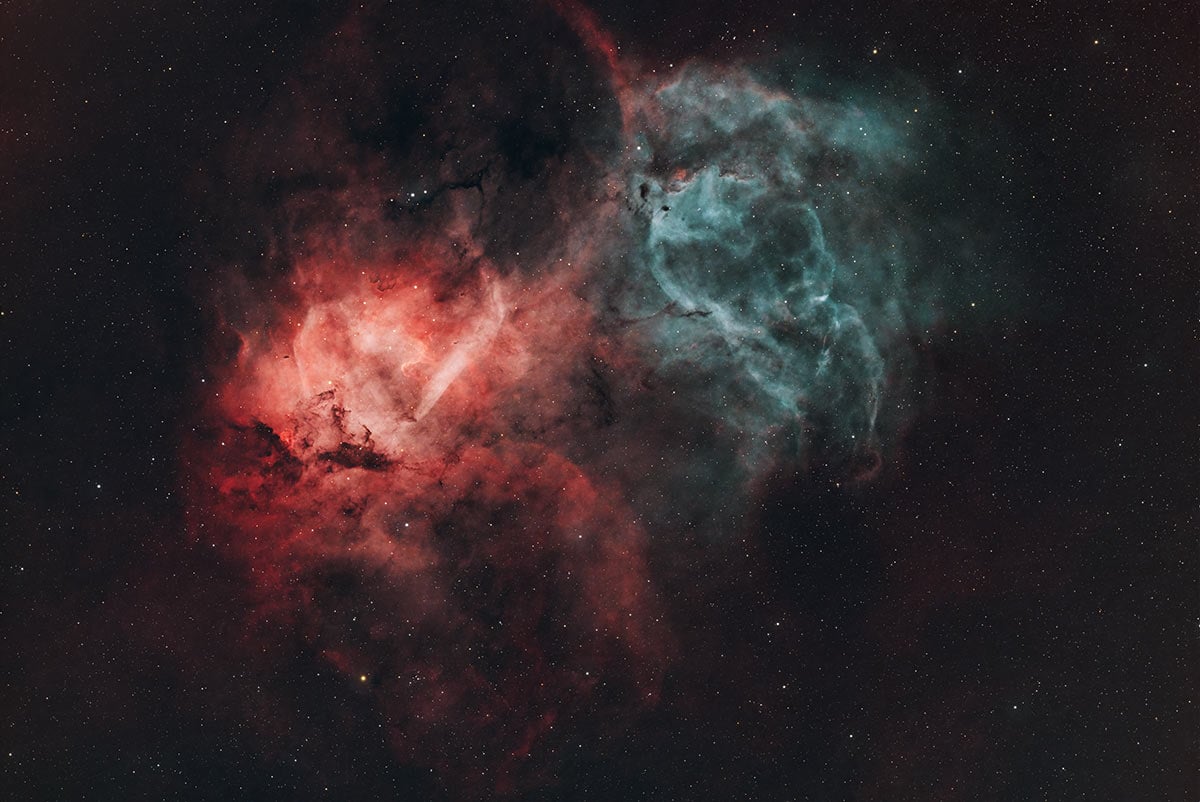
This image of the Lion Nebula is a perfect example of the field of view you can expect using a crop-sensor camera with this telescope. (ZWO ASI2600MC Air).
SQA130 Specs
- Aperture size: 130mm
- Focal length: 624mm
- Focal ratio: f/4.8
- Objective lens: Quintuplet Petzval AP (including two pieces of SD glass)
- Total length: 764mm (dew shield out)
- Format specifications: Medium format (55mm), covers full frame(44mm)
- OTA weight: 20 pounds
- Gross weight: 25 pounds
- Rear-end thread type: M48/M54/M68 adapters
- Rear-end connection distance: Support 46-76mm range (Recommended connection length is 55mm)
- Standard package items: SQA130 OTA, an Oxford cloth case
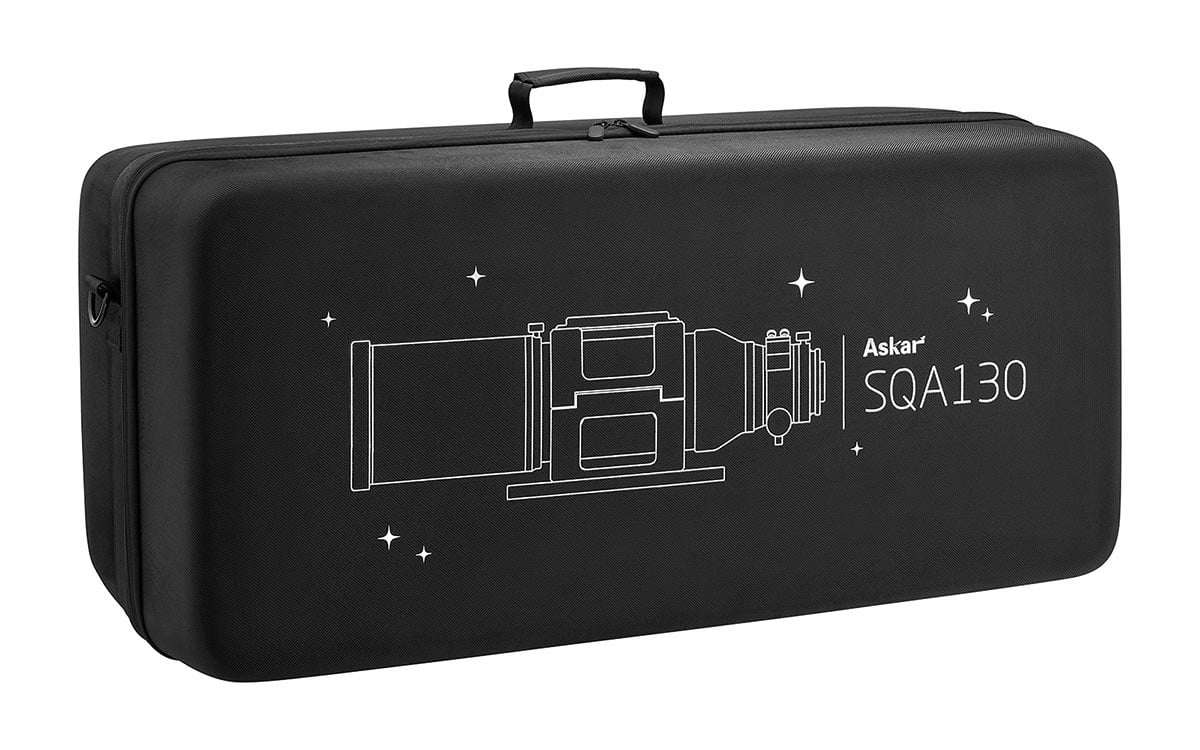
The included padded carry case is an excellent companion to a telescope of this caliber. It’s a safe way to transport your Askar SQA130 to a dark sky site.
55mm Image Circle
The 55mm image circle is a significant part of what you’re paying for with the SQA130. That said, many astrophotographers (including myself) are using APS-C cameras like the ZWO ASI2600MC or ASI2600MM. While those cameras don’t fully utilize the telescope’s large corrected image circle, they still pair exceptionally well with it.
To truly appreciate what the SQA130 was designed for, I would love to see it paired with a camera like the ASI6200MM, where the full-frame coverage can really shine.
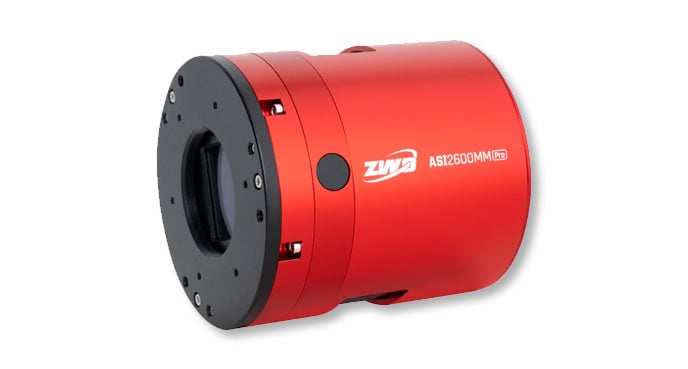
I prefer to use my crop-sensor (APS-C) cameras for deep-sky astrophotography, which are well within the large image circle of the Askar SQA130.
Optical Quality
The Askar SQA130 uses a 130mm quintuplet Petzval APO design, which is a big part of what makes this telescope so appealing for astrophotography. In simple terms, the optics are designed to produce a flat, well-corrected image without needing a separate field flattener.
Inside the optical system are five lens elements, including two pieces of SD glass. This helps control chromatic aberration, which is the color fringing you sometimes see around bright stars in lower-quality refractors. In my images, the stars looked clean and natural, without the bloated blue or purple halos that can quickly ruin an otherwise strong image.
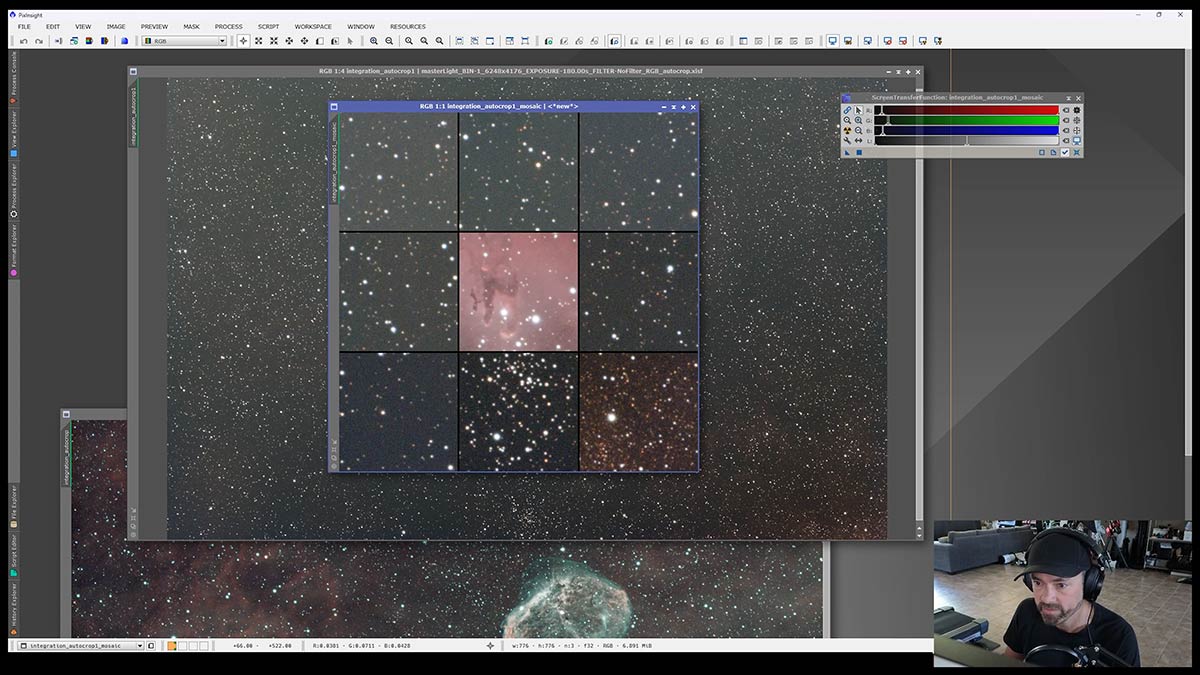
In my image tests of the Askar SQA130, the stars looked fantastic from edge to edge. I used the aberration inspector tool in PixInsight to take a closer look at the star quality across the image.
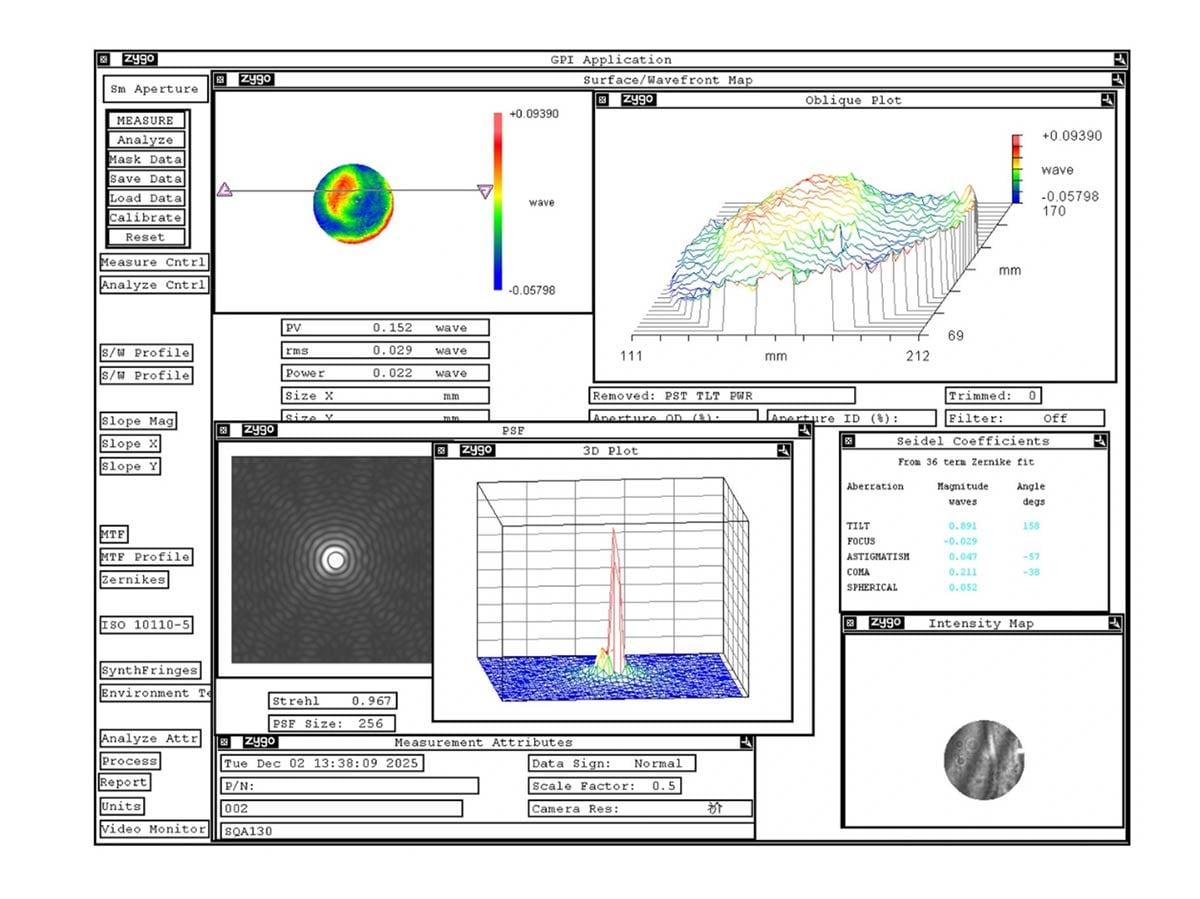
A sample Zygo test report is listed on the official Askar SQA130 product page. It’s a highly detailed metrology document generated by a Zygo laser interferometer. It maps the lens’s microscopic surface contours and wavefront quality.
Size and Mount Requirements
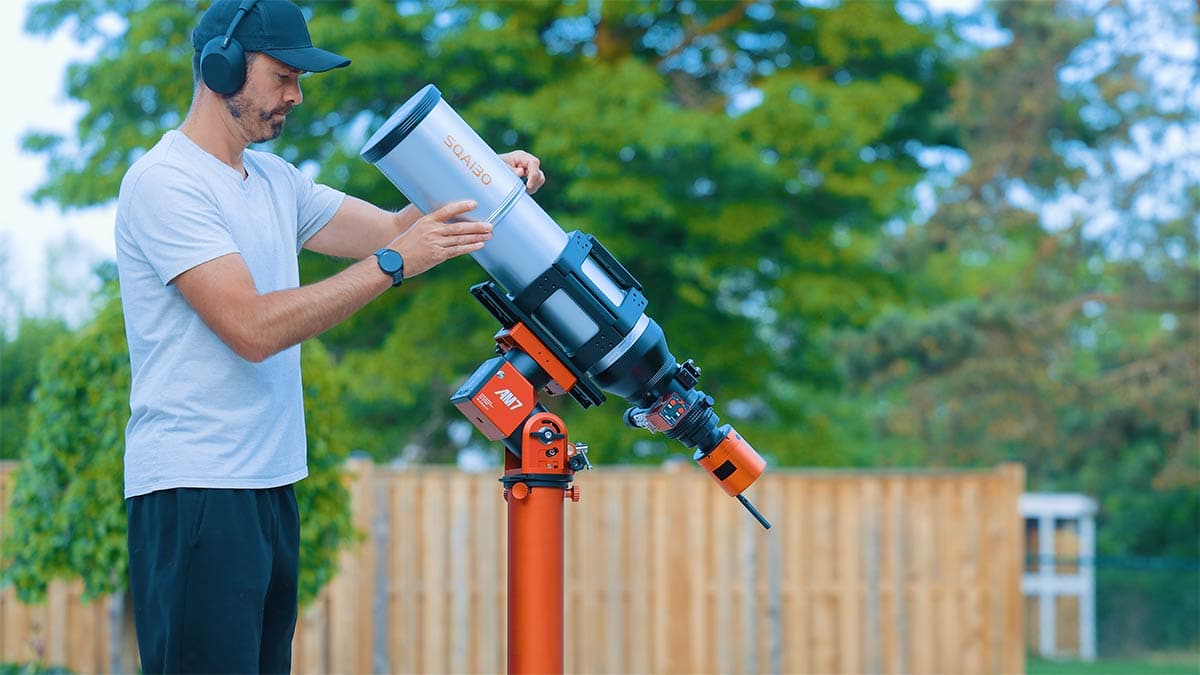
The SQA130 is not a small telescope. The optical tube assembly weighs approximately 20 pounds, and with the included rings and dovetail installed, the weight climbs to roughly 25 pounds before adding a camera, guide system, or other accessories.
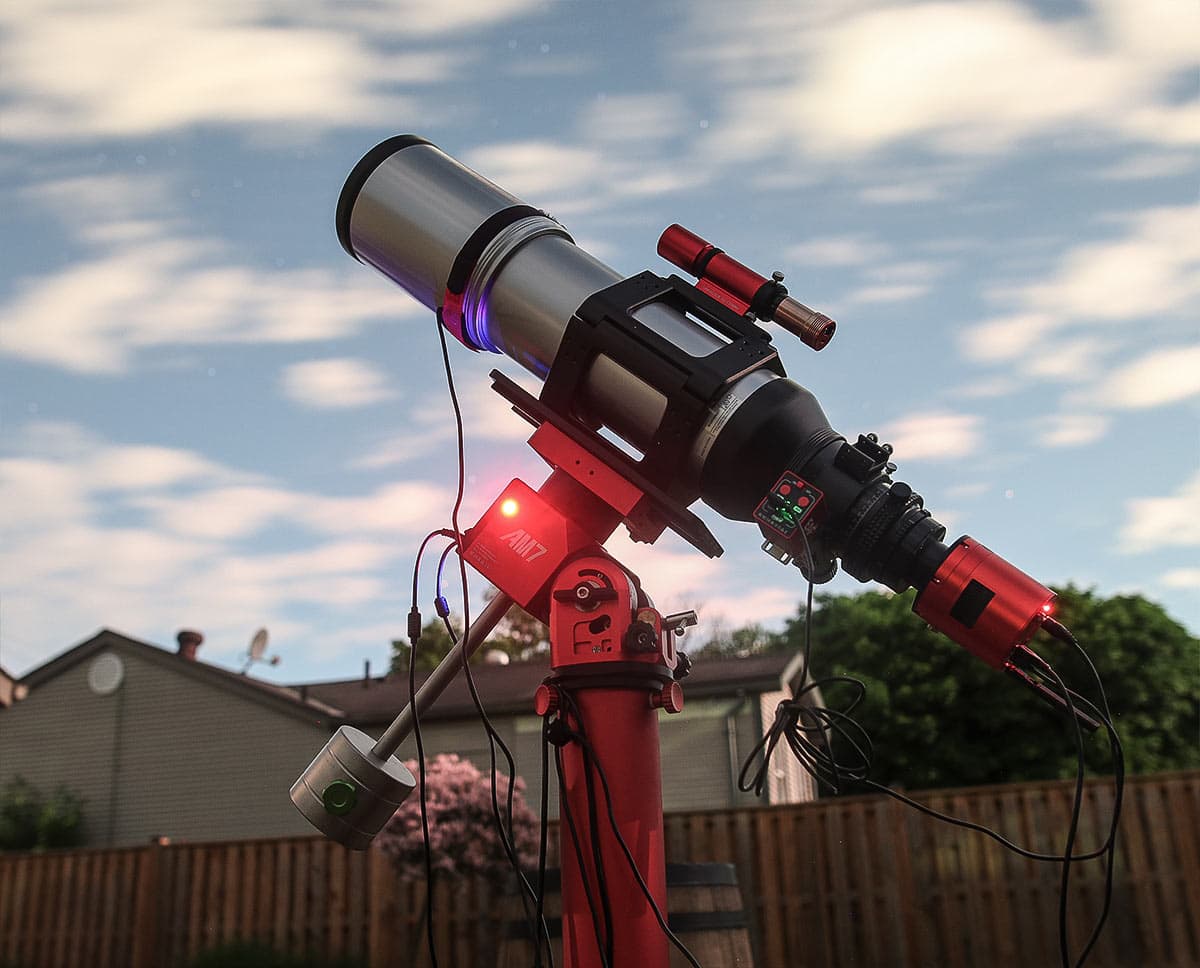
For this review, I mounted the telescope on a ZWO AM7 harmonic drive mount, which proved to be an excellent match. The AM7 provides additional payload capacity compared to smaller mounts such as the AM5, and that extra margin inspires confidence when working with a telescope of this size.
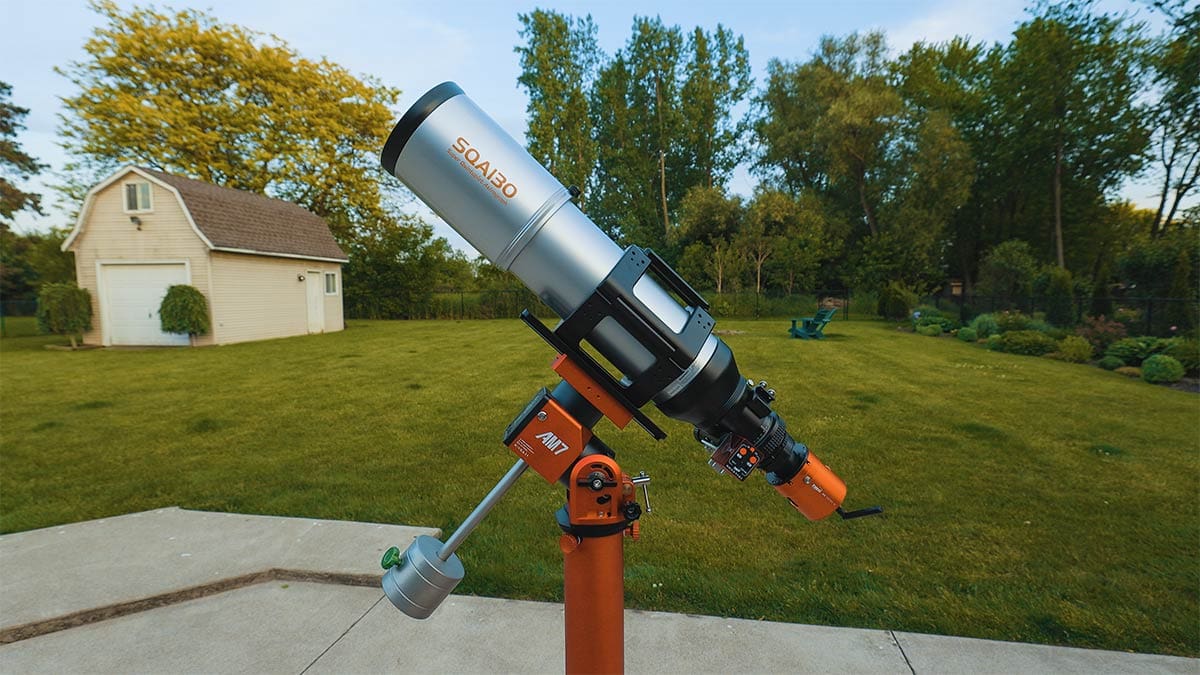
At roughly 25 pounds (without added camera gear), the SQA130 requires a robust equatorial mount. Either the ZWO AM5 (with a counterweight) or AM7 is a great choice.
Although the SQA130 sits comfortably within the AM7’s payload specifications without a counterweight, I chose to use one anyway. It wasn’t strictly necessary, but it certainly made me feel better about the setup.
The SQA106 was already approaching what I’d consider “serious mount” territory, but the SQA130 firmly belongs on a capable mount that can comfortably handle its size and weight.

A traditional equatorial telescope mount, such as the Sky-Watcher EQ6-R or larger, would also be a great choice for a telescope of this size. For a complete look at all of the tracking platforms I have used over the years, be sure to check out the telescope mounts I recommend.
Build Quality and Mechanical Design
The build quality is exactly what I’ve come to expect from the SQA series.
The grey anodized finish looks fantastic, the tube rings feel exceptionally solid, and the included 300mm Losmandy-style dovetail provides a secure connection to the mount.
There are threaded mounting points built into the rings, dual finder bases near the focuser, and a very useful 360-degree rotator at the rear of the telescope that makes framing targets straightforward.
The focuser is a large 3.2-inch dual-speed rack-and-pinion design, and it feels more than capable of supporting a serious imaging train.
I added a ZWO EAF electronic focuser to the telescope and was glad I did. At f/4.8, focus tolerance becomes increasingly critical, and when evaluating the optical performance of a premium refractor, you don’t want focus drift influencing your results.
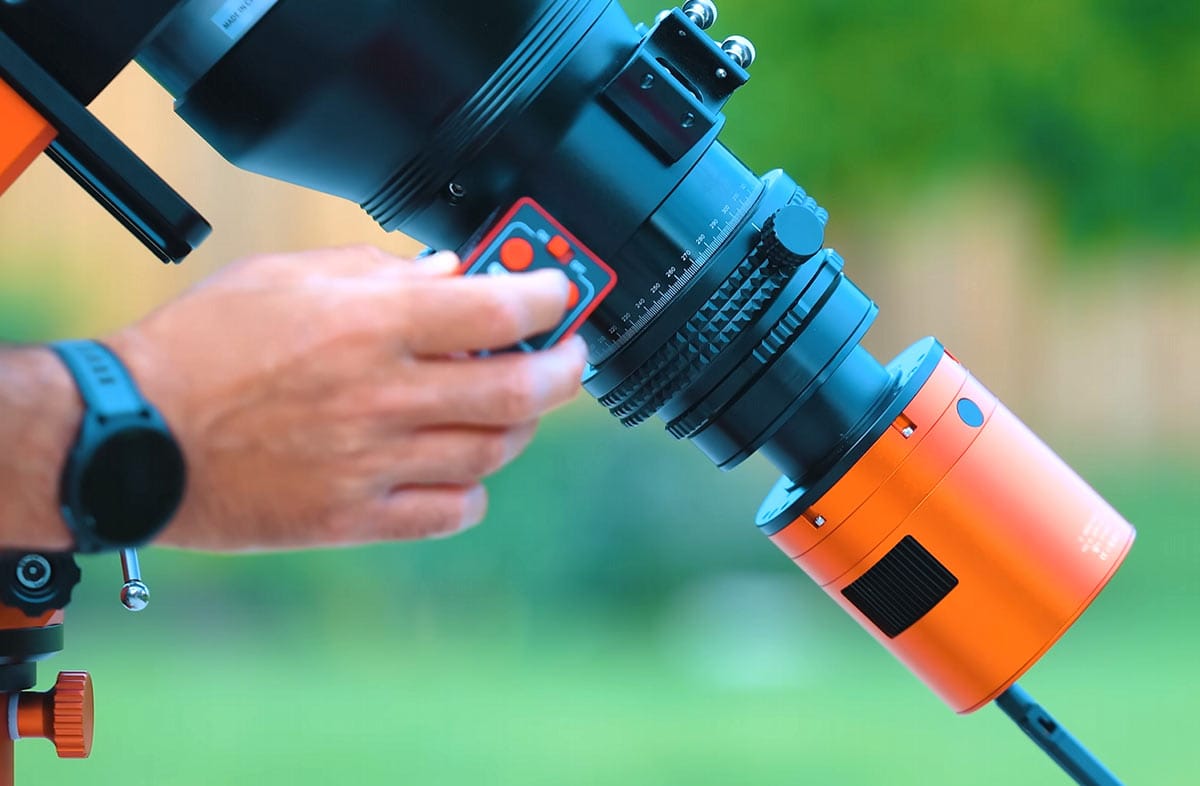
I highly recommend installing an autofocuser on the Askar SQA130 right away. This ensures consistently sharp images throughout your imaging session.
Fortunately, installing the EAF was straightforward and didn’t require any additional adapters. The SQA130 also includes M68, M54, and M48 rear adapters, making it easy to connect astronomy cameras, filter drawers, and DSLR or mirrorless camera systems.
Although Askar recommends a 55mm connection length, the system supports a range between 46mm and 76mm, providing welcome flexibility when building an imaging train.
I personally appreciated that extra tolerance, as my filter drawer uses an awkward thread arrangement that prevents everything from sitting perfectly flush. My spacing ended up being closer to 56mm, and the telescope handled it without issue.
Real-World Imaging Experience
To evaluate the SQA130, I paired it with the ZWO ASI2600MC Air. This APS-C one-shot color camera combines imaging, guiding, and ASIAIR-style control into a compact package, which helped keep the overall setup clean and streamlined.
While the SQA130 is capable of covering much larger sensors than APS-C, the ASI2600 format remains one of my favorite sensor sizes for backyard astrophotography. It offers an excellent balance of field of view, image quality, and manageable file sizes.
Fortunately, the review period coincided with one of the best stretches of spring weather I’ve experienced in quite some time, allowing me to run the SQA130 on several projects over multiple nights.
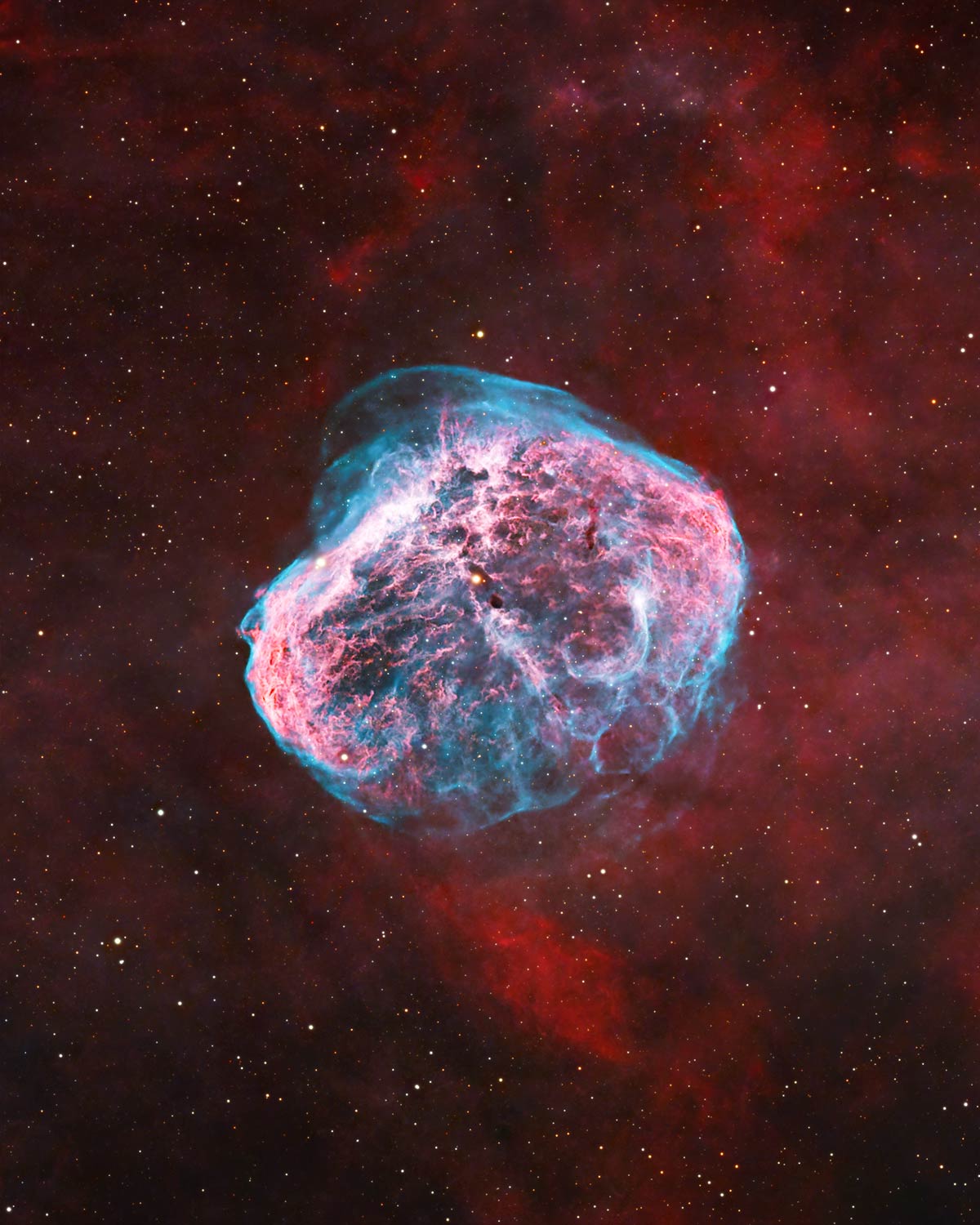
Crescent Nebula
My primary target was the Crescent Nebula in Cygnus, an object well suited to both the moonlit conditions I encountered and the telescope’s medium focal length.
I captured data using a dual-narrowband filter and also gathered broadband data to evaluate the telescope’s versatility.
Little Pinwheel Galaxy
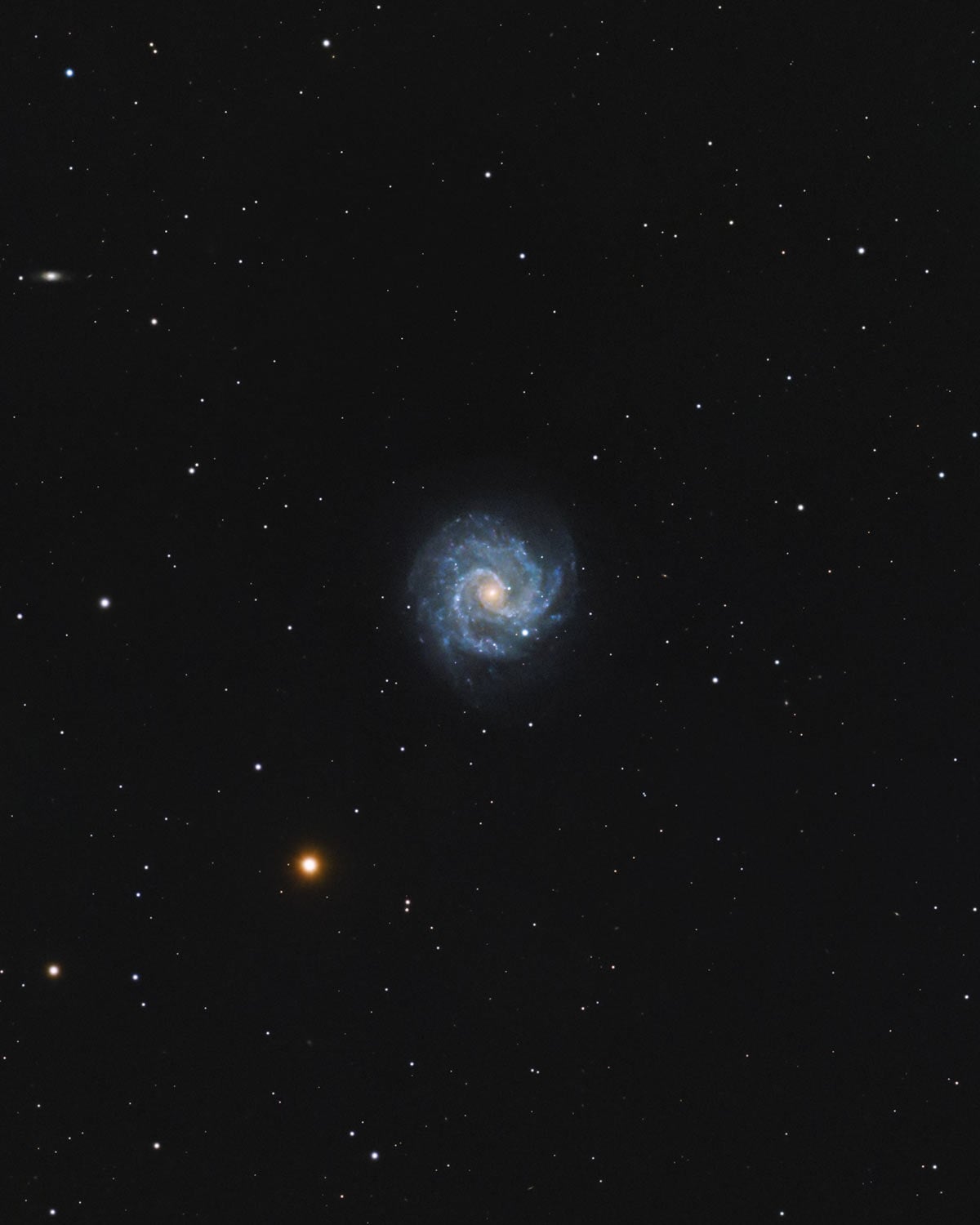
Because galaxy season was coming to an end, I also turned the telescope toward NGC 3184, better known as the Little Pinwheel Galaxy. At 624mm, the SQA130 isn’t a dedicated small-galaxy instrument in the same way a long focal length Schmidt-Cassegrain or Ritchey-Chrétien telescope would be.
However, paired with the ASI2600MC Air, it provided a very pleasing field of view and delivered excellent image quality on this target.
One thing I noticed immediately was how efficient the telescope felt. At f/4.8, it gathers signal quickly, and the 130mm aperture provides a noticeable increase in light-gathering capability compared to smaller wide-field refractors.
The combination of aperture, focal length, and speed made the telescope a pleasure to use for a variety of deep-sky targets
Eagle Nebula
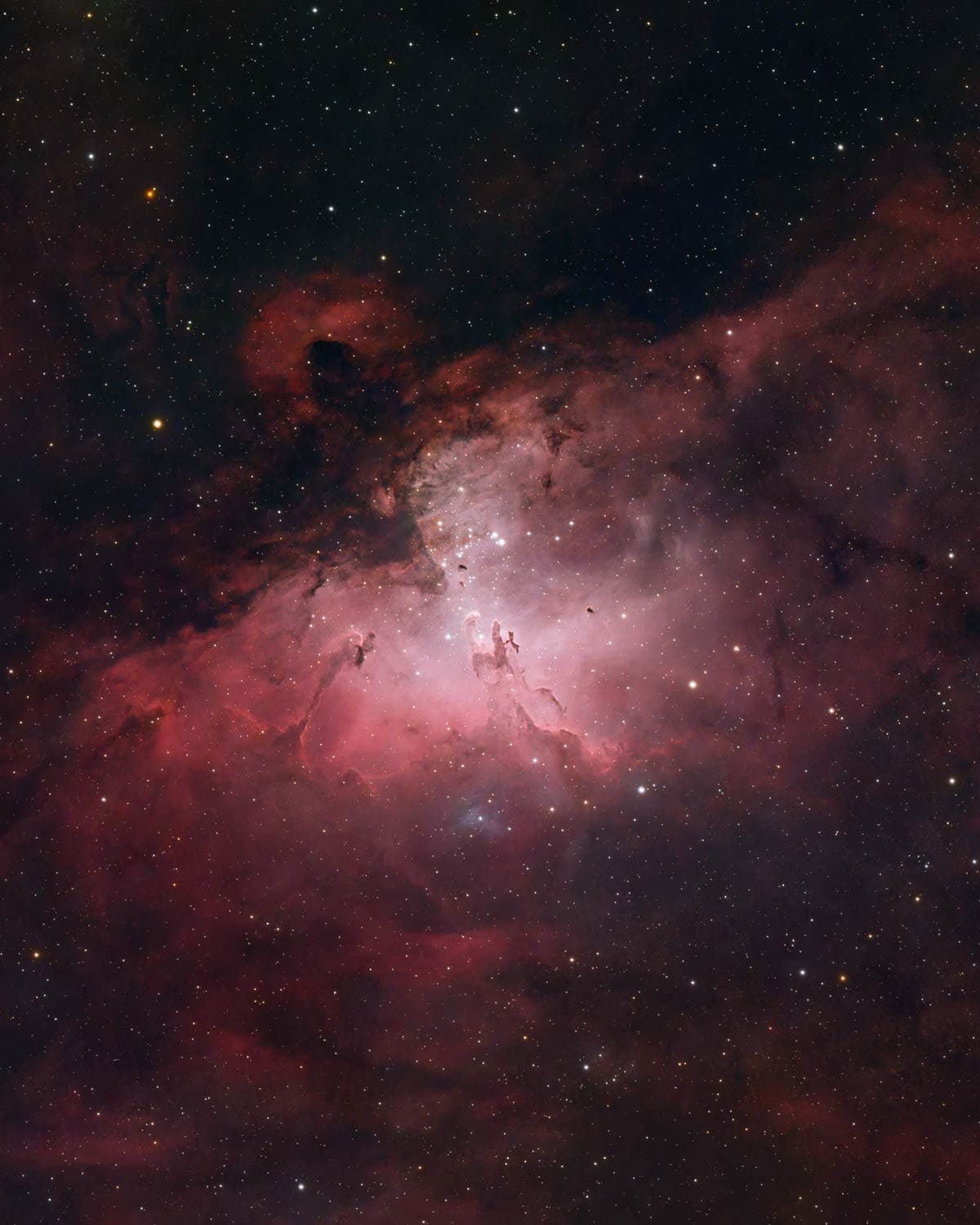
Another target I captured with the SQA130 was the Eagle Nebula in Serpens.
This target helped showcase the telescope’s ability to resolve fine structures within emission nebulae while maintaining a generous field of view around the surrounding star field.
The combination of the SQA130’s 624mm focal length and fast f/4.8 optics made it well-suited to this type of target.
Want To See the Full-Size Versions?
The astrophotography images shown in this review have been cropped and resized for the article. To inspect the full-size versions and take a closer look at the stars, corners, and overall image quality, you can view the complete image gallery on my Flickr page.
Common Questions and Concerns
Whenever a premium refractor enters the market, astrophotographers naturally have questions.
After spending time with the telescope and reviewing community discussions surrounding the SQA series, several common themes emerged.
Is the SQA130 Worth the Price?
The SQA130 currently sells for approximately $4,799 USD, which places it firmly in the premium category. There’s no avoiding the fact that this is a significant investment.
However, you’re not simply paying for a 130mm APO refractor with a standard focuser. The cost reflects the fast Petzval optical design, integrated field correction, large image circle, premium mechanical components, and the convenience of not needing separate flatteners or reducers to achieve excellent imaging performance.
Can It Be Used for Visual Astronomy?
Technically, yes. But I would approach the SQA130 as an astrograph first and foremost.
While it remains a refractor and can certainly be used visually, the telescope was clearly designed around imaging performance. If visual observing is your primary goal, there are likely better values available.
For flat-field astrophotography, however, the design makes much more sense.
How Does It Perform with Larger Sensors?
One of the biggest questions surrounding the SQA130 is whether its real-world performance matches its specifications, particularly with full-frame and medium-format sensors.
Since my testing was conducted with an APS-C camera, I can’t claim to have fully stress-tested the telescope’s large image circle. What I can say is that star quality across the APS-C sensor was excellent.
I’d still love to see additional long-term results from astrophotographers using heavy full-frame mono imaging trains, but the optical design clearly intends to support those larger formats.
What About Tilt and Flexure?
This concern is understandable. Once you begin attaching a full-frame mono camera, filter wheel, off-axis guider, rotator, and multiple adapters, every mechanical connection becomes increasingly important.
With my relatively simple ASI2600MC Air setup, I encountered no significant issues with tilt or flexure. However, anyone planning a heavier imaging train should pay careful attention to threaded connections, proper balancing, and overall system rigidity.
Alternatives to Consider
For astrophotographers shopping in this price and performance category, two alternatives stand out.
The first is the TS-Optics 130mm f/5 Flatfield APO. On paper, it offers a very similar combination of aperture, focal length, speed, and corrected imaging performance.
The second is the William Optics Pleiades 111. Although smaller at 111mm aperture and 528mm focal length, it is also a premium f/4.8 astrograph designed for full-frame imaging.
Compared to the Pleiades 111, the SQA130 offers more aperture and additional reach. The TS-Optics model may be the closest direct competitor in terms of overall specifications and intended use.
Final Thoughts
The Askar SQA130 feels like a natural evolution of what Askar set out to achieve with the SQA series. The SQA106 demonstrated the company’s vision for a premium line of astrographs, and the SQA130 successfully scales that concept into a more powerful imaging platform.
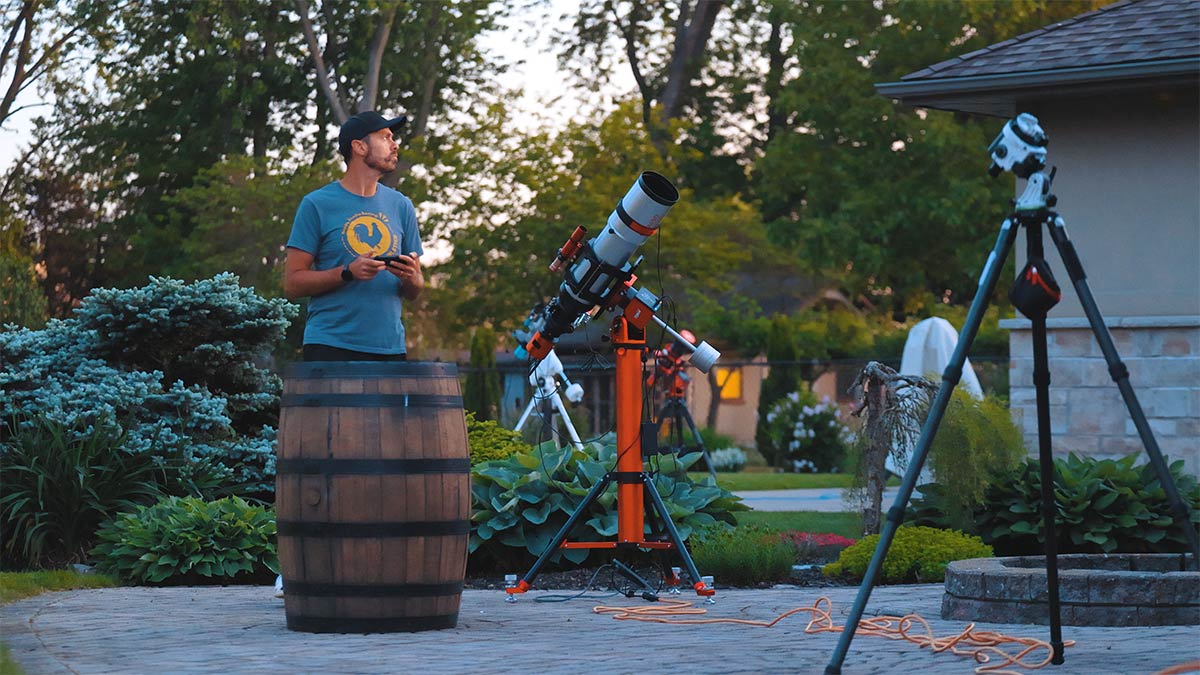
I genuinely enjoyed using it with the ZWO AM7, ASI2600MC Air, and ZWO EAF. Together, they formed a clean, modern, high-performance backyard imaging setup that was both capable and enjoyable to operate. Capturing the Little Pinwheel Galaxy for the first time made the experience especially memorable.
The SQA130 is not the most affordable way to reach 130mm of aperture, nor is it the most portable refractor available. What it offers instead is a refined, purpose-built astrophotography experience with premium optics, thoughtful mechanical design, and excellent image quality.
Based on my experience, the Askar SQA130 is a serious astrograph built for serious imagers—and if edge-to-edge star quality, integrated field correction, and premium construction matter to you, it’s absolutely worth a closer look.
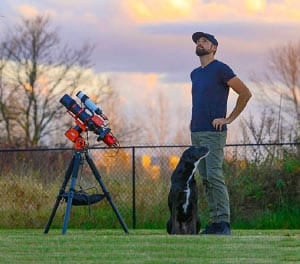 Trevor Jones is an astrophotographer and a valued member of the RASC. His passion is inspiring others to start their astrophotography journey on YouTube so they can appreciate the night sky as much as he does. His images have been featured in astronomy books & online publications, including the NASA Astronomy Picture of the Day (APOD).