Search Results for: light pollution

  • NGC 4565 – The Needle Galaxy

    The Needle Galaxy is an edge-on spiral galaxy that lies about 40 million light-years away from Earth. You’ll find this beautiful galaxy in the northern constellation, Coma Berenices. I photographed the Needle Galaxy 5 years apart (2016-2021). The first image was captured using an 80mm refractor (480mm) and the second, an 11″ SCT (1960mm). Photographing…

  • M101 – Pinwheel Galaxy

    The Pinwheel Galaxy is a striking face-on spiral galaxy in the constellation Ursa Major. Charles Messier included the Pinwheel Galaxy as M101 as a late entry to his list of 110 astronomy objects. Messier 101 can be located with your telescope by star-hopping from the bright star, Alkaid, in the handle of the Big Dipper….

  • The Cocoon Nebula

    The Cocoon Nebula (IC 5146) is located in a crowded field of stars spanning approximately 2 degrees. This interesting emission/reflection nebula resides within the constellation Cygnus, which rises high overhead to stargazers in mid-northern latitudes like myself. IC 5146 is a compact star-forming region, with a long trail of obscuring interstellar dust clouds. The NGC…

  • The Rosette Nebula

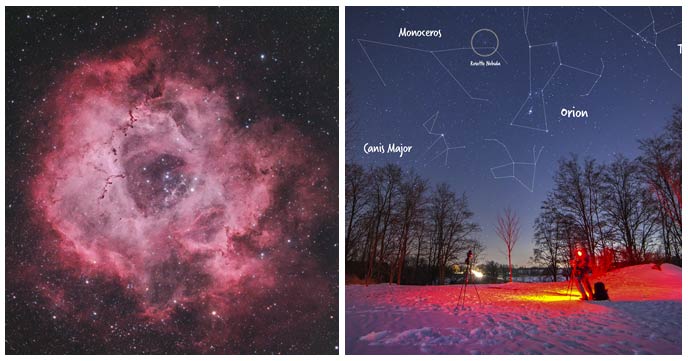
    The Rosette Nebula is a stunning astrophotography target for your camera and telescope. The colorful hydrogen gas and embedded open star cluster (NGC 2244) make this winter deep-sky target one that is not to be overlooked. Also referred to as “The Skull Nebula”, this impressive object competes for your attention alongside the nearby Orion Nebula,…

  • IC 1805 – The Heart Nebula

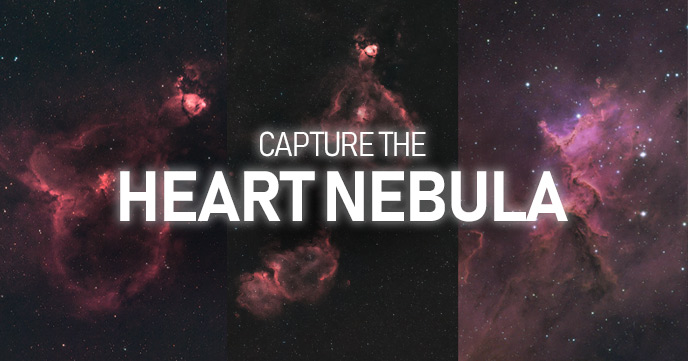
    The Heart Nebula (IC 1805) is a large emission nebula in the constellation Cassiopeia. The beauty of this iconic astrophotography target is due to its mix of both bright pink hydrogen gas, and dark dust clouds. This glowing nebula gets its nickname from the familiar shape it resembles and is located approximately 7,500 light-years from…

  • NGC 7023 – The Iris Nebula

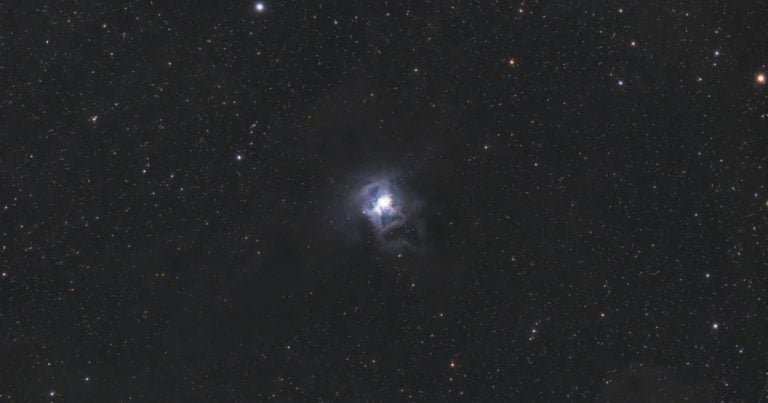
    The Iris Nebula is one of many nebulae in the night sky with a common name associated with a flower. This dramatic reflection nebula resides in the constellation Cepheus and includes plenty of dark interstellar dust in the area. NGC 7023 is relatively bright when compared to other reflection nebulae at magnitude 6.8 (the Witch…

  • Western Veil Nebula

    The Western Veil Nebula is a supernova remnant consisting of oxygen, sulfur, and hydrogen gas. This area of Cygnus is densely populated with stars and includes regions of heated gas that make up the Cygnus Loop. As APOD so eloquently puts it, the Western Veil Nebula is “an expanding cloud born of the death explosion of a massive…

  • Photograph the Dumbbell Nebula this Summer

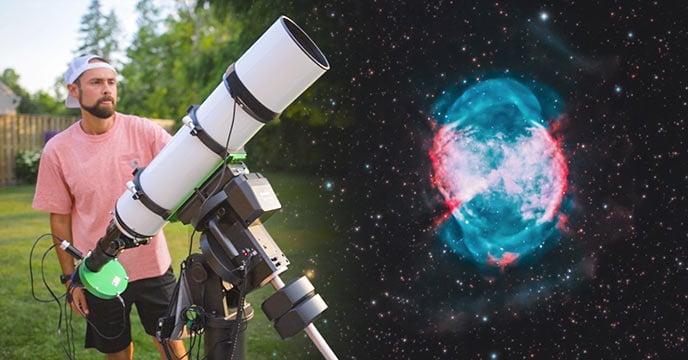
    M27, commonly known as the Dumbbell Nebula, is a bright planetary nebula in the northern constellation Vulpecula. Scientists estimate that this nebula lies approximately 1,200 light-years from Earth. If you can see the constellation Vulpecula from your backyard, there is a good chance you can view the Dumbbell Nebula with a small telescope. With an…

  • The Trifid Nebula

    The Trifid Nebula is a colorful combination of nebulae types that unite to create a celestial work of art. Cataloged as Messier 20, the Trifid Nebula is a magnitude +6.3 H II region of interstellar gas in the constellation Sagittarius. It lies approximately 5,000 light-years away in a nebula-rich, crowded starfield area of the night…

  • The Omega Nebula

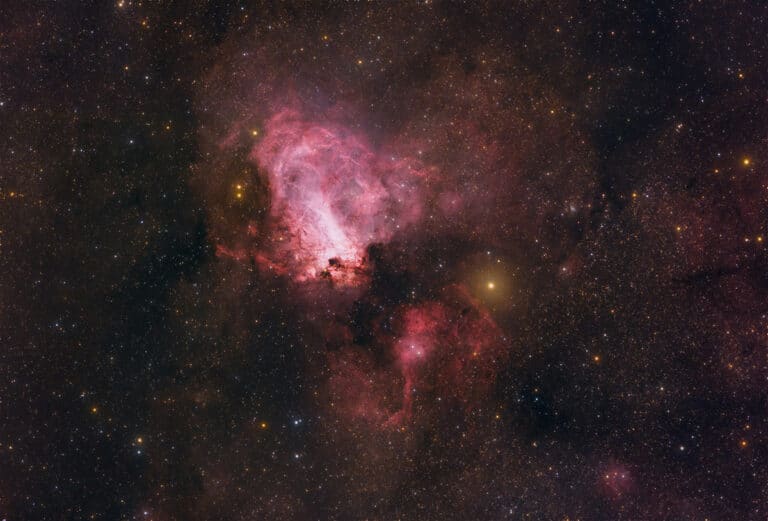
    The Omega Nebula (Messier 17) is one of several brilliant deep-sky astrophotography targets located in the constellation Sagittarius. M17 (also known as the Swan Nebula) is an H II region (emission nebula) that lies between 5000-6000 light-years from Earth.  The Omega Nebula is a star factory sculpted by stellar winds and radiation. The cavernous appearance…